Many new homeowners don’t find the gaps in their coverage until the first frozen pipe or basement backup. Home insurance in Eagle Mountain, Utah should protect a newly built home at replacement cost, cover the fence and yard you add after closing, and address local risks like wind, freeze, and water backup. Alink’s home and property insurance options start with that local reality.
Why Is Home Insurance in Eagle Mountain, Utah Different?
Home insurance in Eagle Mountain, Utah is different for three reasons: many homes are brand new, they sit on open high-desert land on the west side of Utah County, and they belong to families whose needs change quickly. Each of these factors shapes how you should build a policy, and good Eagle Mountain homeowners insurance accounts for all three.
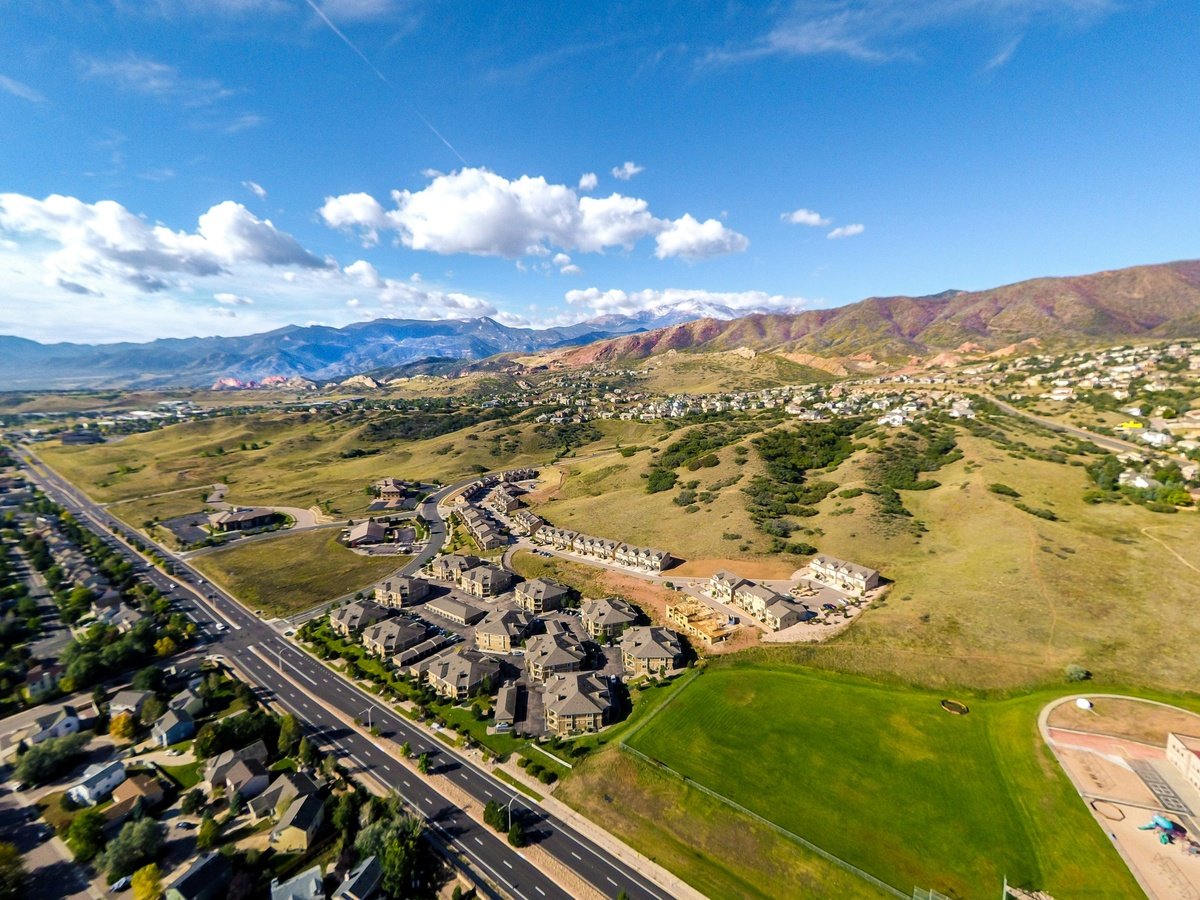
Drive through Eagle Mountain and you’ll see new subdivisions, fresh sod, and fences going up block by block. Ongoing residential development means many buyers are purchasing directly from a builder, often for the first time. That brings questions a resale buyer rarely faces, like when the builder’s coverage ends and yours begins.
The setting matters too. Open land means more exposure to wind, blowing dust, and winter cold. Families here are also often in a growth season: new babies, basements waiting to be finished, teen drivers on the horizon, and home businesses starting at the kitchen table.
ALINK Insurance has served customers since 1959, with roots in Colorado Springs and Parker, Colorado. Today our independent advisors also work from local Utah offices in Eagle Mountain and Saratoga Springs, serving Lehi, American Fork, Highland, and surrounding Utah County communities. As a full-service agency, we help families plan home, auto, RV and recreational vehicle, umbrella, life, and commercial insurance together. You can reach our Utah County team whenever you have questions.
What Does a Standard Utah Homeowners Policy Cover?
A standard Utah homeowners policy typically covers six things: your home’s structure, other structures on the property, your belongings, your personal liability, extra living expenses after a covered loss, and minor medical bills for guests. Each part has its own limit, so it helps to understand them one at a time.
Here is how each piece works in plain English, with an everyday family example:
- Dwelling: Pays to repair or rebuild the house itself after a covered loss. If a windstorm tears siding off your two-story home, this is the coverage that responds.
- Other structures: Covers things not attached to the house, like a detached shed, a vinyl fence, or a backyard pergola. If a fallen tree crushes the fence you installed last spring, this part applies.
- Personal property: Protects your belongings, from the couch to the kids’ bikes to the crib in the nursery. If a kitchen fire damages furniture and electronics, this covers the loss, subject to your policy terms.
- Personal liability: Helps pay for injuries or damage you’re legally responsible for. If a neighbor’s child gets hurt on your trampoline, liability coverage helps with medical bills and legal defense. Learn more in our overview of understanding liability insurance.
- Loss of use: Pays reasonable extra living costs if a covered loss forces you out of your home. Think hotel stays and meals while a burst-pipe repair is finished.
- Medical payments to others: Covers small medical bills for guests hurt on your property, regardless of fault.
One more term to know: replacement cost versus actual cash value. Replacement cost pays to repair or replace with new materials of similar kind and quality, while actual cash value subtracts depreciation, so an older roof or couch pays out less. For most families, replacement cost is the stronger choice for both the home and belongings.
What Local Risks Should Eagle Mountain Homeowners Plan For?
Eagle Mountain homeowners should plan for wind, hail, winter freeze, water backup, earthquake, and the exposure that comes with open land. Some of these are typically covered by a standard policy, while others are excluded and require a separate endorsement or policy. Strong Utah County homeowners coverage addresses each one deliberately.
Wind and Hail
Wind and hail damage are generally covered under a standard homeowners policy. Open terrain gives wind room to build, and newer neighborhoods often lack mature trees to break it up. Some carriers use a separate deductible for wind or hail claims, so ask how yours works before you need it.
Winter Freeze
Sudden pipe bursts from freezing are typically covered. Damage caused by neglect, like leaving a vacant house unheated, generally is not. If your new home sits empty between closing and move-in, keep the heat on and check on it regularly. Our winter preparedness guide has practical steps to protect your home before cold weather hits.
Water and Sewer Backup
Water that backs up through drains or a sewer line is typically excluded from a standard policy. Coverage is usually available as an endorsement, and it matters most for homes with basements, finished or not.
Earthquake
Earthquake damage is excluded from standard homeowners policies. Utah County sits in a seismically active region, and the Utah Geological Survey offers resources on earthquake preparedness. Coverage is available through an endorsement or a separate policy, depending on the carrier.
Flood
Flood is also excluded from standard homeowners policies. Separate flood coverage is often available through the National Flood Insurance Program, which you can learn about at FloodSmart.gov. Keep in mind that flood policies generally include a waiting period before coverage begins. Alink also offers dedicated flood insurance options worth reviewing.
Open Land Exposure
Fire is generally a covered peril. Homes near undeveloped land face brush and grass fire exposure, and carriers weigh location when they decide whether to offer coverage. Our resource on preparing for natural disasters outlines steps every Eagle Mountain family can take.
What Do New Construction Home Buyers in Eagle Mountain Often Miss?
New construction buyers most often miss four things: the handoff from builder’s risk coverage to their own policy, the difference between a builder warranty and insurance, the future value of an unfinished basement, and the fences, landscaping, and sheds they add after closing. Getting new construction home insurance Utah buyers can rely on starts with understanding each of these.
The Builder’s Risk Handoff
During construction, the builder generally carries a builder’s risk policy that protects the structure while it’s being built. That coverage typically ends at closing or when the home is transferred to you. Your homeowners policy should be active on closing day, and lenders typically require proof of coverage beforehand, so confirm the exact timing and requirements with your builder and lender.
A Warranty Is Not Insurance
A builder warranty generally covers defects in workmanship and materials, like a faulty installation. Homeowners insurance covers sudden, accidental losses like fire, wind, or a burst pipe. A warranty does not protect your belongings, your liability, or your living expenses, so you need both.
The Unfinished Basement
Many Eagle Mountain homes come with unfinished basements that families plan to finish later. When you add bedrooms, a bathroom, or a family room, the cost to rebuild your home goes up. If your dwelling limit isn’t updated, you risk being underinsured, so call your advisor when the project starts, not after it’s done.
Post-Closing Additions
New builds often close with bare dirt and no fence. Within a year or two, families typically add:
- Fencing, sheds, and playsets, which generally fall under other structures coverage
- Landscaping, trees, and shrubs, which carry their own limits that vary by carrier
- Sprinkler systems, which are vulnerable to freeze if not winterized
- Patios, decks, and pergolas, which increase both value and replacement cost
Each addition is a good reason to check that your policy limits still fit your property.
Buying a new build in Eagle Mountain or nearby? Request a quote or call 877.643.6148 to learn more about home insurance for your new property.
How Much Home Insurance Do Eagle Mountain Families Actually Need?
Eagle Mountain families generally need enough dwelling coverage to fully rebuild their home at today’s construction costs, which is often different from the purchase price or market value. Your market value includes land, which doesn’t burn down, while your rebuild cost depends on materials, labor, and square footage.
That distinction matters in a changing Utah County housing market. Home prices and construction costs don’t always move together. A home’s sale price can rise because of land demand, while the rebuild cost follows lumber, labor, and local contractor availability.
Here is a practical way to set your dwelling limit:
- Start with a replacement cost estimate, not your purchase price. Your carrier or advisor can generally calculate this based on square footage, construction type, and finishes.
- Account for upgrades. Builder upgrades like quartz counters, upgraded flooring, or a three-car garage raise rebuild costs.
- Plan for the basement. If you’ll finish it soon, discuss how and when to adjust your limit.
- Ask about extended replacement cost. This endorsement adds a cushion above your dwelling limit if rebuild costs rise after a widespread loss.
- Revisit your limits every year. Life changes, remodels, and construction cost shifts all affect what you need.
Replacement cost coverage Utah carriers offer is widely available, but terms vary by carrier. Rates and limits vary too, so the right number comes from a real conversation about your home, not a guess.
Which Coverage Add-Ons Should Eagle Mountain Homeowners Ask About?
The add-ons most worth discussing for an Eagle Mountain home are water backup, earthquake, extended replacement cost, scheduled valuables, and umbrella liability. You won’t need all of them, but each fits a common local situation.
Here’s a quick rundown:
- Water backup: Worth a look for any home with a basement or a finished lower level.
- Earthquake: A separate decision for every Utah County family, since it’s excluded by default.
- Extended replacement cost: Adds breathing room if rebuild costs climb.
- Scheduled personal property: Adds protection for engagement rings, cameras, or collections that exceed standard limits.
- Home business coverage: If you’re running an online shop or bookkeeping business from home, a standard policy generally offers little protection for business equipment or liability. Alink also offers in-home business insurance for situations like this.
- Umbrella liability: Extra liability protection above your home and auto limits. A trampoline, a pool, or a teen driver are all good reasons to ask your advisor how umbrella coverage stacks on top of your existing policies.
Growing families often bundle home and auto, and add RV or recreational vehicle coverage for the trailer, side-by-side, or boat parked out back. With a new mortgage and little ones at home, it’s also a good season to ask about life insurance.
Why Does Comparing Carriers Matter for Homeowners Insurance in Utah County?
Comparing carriers matters because insurance companies differ in how they price, which homes they want to insure, and what coverage options they offer in newer, developing areas. An independent agency works with multiple companies, so you can see different options for homeowners insurance Utah County families can buy without shopping each carrier yourself.
Every carrier has its own underwriting appetite, meaning the types of homes and locations it prefers to insure. Some companies welcome new construction in developing subdivisions, while others limit new policies in areas near open land. Endorsement availability, wind or hail deductible structures, and replacement cost options also vary by carrier. For a deeper look at how that process works, see our overview of what underwriting is.
That’s where working with an independent home insurance agent in Eagle Mountain helps. ALINK advisors are independent agents, not employees of a single insurance company. We compare options from multiple carriers, explain the tradeoffs in plain English, and help you choose coverage that fits your home and your budget goals. Learn more about what an independent agent does and why it matters for your coverage search.
The same approach serves our neighbors across the county. Families looking at home insurance in Lehi, Utah, home insurance in American Fork, or Highland face similar questions, and buyers comparing home insurance Saratoga Springs Utah options can read our Saratoga Springs homeowners coverage guide for that area’s details.
For general consumer information about insurance in the state, the Utah Insurance Department is a reliable resource. When it’s time to file a claim, having a local advisor who knows your policy and advocates for you makes the process far less stressful. You can also report a claim directly through Alink’s site.
Your home, your family, and your plans will keep changing, and your coverage should keep up. Whether you’re closing on a new build, finishing a basement, or adding a teen driver, ALINK is Your Link to Security in Eagle Mountain and across Utah County.
When you’re ready, talk to a local Alink advisor or call 877.643.6148. Our team in Eagle Mountain and Saratoga Springs is ready to help you choose coverage with confidence.
Frequently Asked Questions
Is home insurance more expensive for new construction in Eagle Mountain?
Not necessarily. Many carriers view new homes favorably because they have new roofs, updated electrical and plumbing systems, and construction that meets current building codes, and some carriers offer new home discounts. However, newer homes with builder upgrades can have higher rebuild costs, which affects your dwelling limit and premium. Location near open land and each carrier’s appetite for developing subdivisions also play a role, so comparing multiple companies is the best way to see where your home lands.
Does Utah homeowners insurance cover earthquake damage?
No. Standard homeowners policies in Utah exclude earthquake damage, even though Utah County sits in a seismically active area. You can usually add protection through an endorsement or a separate earthquake policy, depending on the carrier. Earthquake coverage often has its own deductible, commonly calculated as a percentage of your dwelling limit rather than a flat dollar amount. Ask your advisor to explain how that deductible works so you can decide whether the coverage fits your budget and risk tolerance.
What is replacement cost coverage and why does it matter for my Eagle Mountain home?
Replacement cost coverage pays to repair or rebuild your home and replace your belongings with new items of similar kind and quality, without subtracting for age or wear. This matters in Eagle Mountain because many homes are new, with modern finishes and builder upgrades that would be expensive to reproduce after a major loss. An actual cash value policy would reduce your payout as those items age, leaving you to cover the gap. Setting your limit based on rebuild cost, not purchase price, helps make sure the coverage actually does its job.
How is home insurance in Eagle Mountain different from Saratoga Springs or Lehi?
The core coverage in a Utah homeowners policy works the same way in all three cities. The differences usually come from the homes and their surroundings, such as construction age, proximity to undeveloped land, and wind exposure. Eagle Mountain has a high share of new builds on open high-desert terrain, while Lehi and Saratoga Springs include a broader mix of established neighborhoods alongside newer development. Carriers weigh these factors differently, so the same family could see different options depending on the exact address. Our Saratoga Springs homeowners coverage guide covers that area in more detail.
When should I get home insurance: before or after closing on my new home?
Get it before closing. Lenders typically require proof of homeowners coverage before they fund the loan, and the builder’s risk policy on a new build generally ends when the home transfers to you. Start the conversation with an advisor as soon as you are under contract so you have time to compare carriers and set accurate limits. Aim for your policy’s effective date to match your closing date so there is no gap in protection.
Do I need to update my home insurance if I finish my basement?
Yes. Finishing a basement adds living space and raises your home’s rebuild cost, so your dwelling limit should increase to match. It is also a good time to review water backup coverage, since a finished lower level has far more to lose if a drain or sewer line backs up. Contact your advisor when the project begins, keep receipts and permits, and confirm your contractor carries their own liability coverage while working in your home.
Can I bundle home and auto insurance in Utah and still compare companies?
Yes. An independent agency can compare bundled home and auto packages from multiple carriers, so you are not limited to one company’s offer. Bundling often comes with a multi-policy discount, but the lowest bundled price is not always the best overall value if the coverage terms are weaker. Your advisor can also show you whether splitting policies between carriers makes more sense for your situation. If you plan to add umbrella liability, coordinating home and auto limits together makes that step easier.