That first sunrise over Zion from your camp chair is worth every mile. What’s not worth it: discovering after an accident that your rig is underinsured. The RV insurance Utah owners need depends on the type of vehicle, how you use it, and where you park it, and the right policy protects both your rig and the people you might harm on the road. At ALINK, our independent RV and motorhome insurance team helps Utah drivers match coverage to real life.
Why Does Utah RV Insurance Need Local Attention?
Quick Answer: Utah’s five national parks, remote desert terrain, and strong RV culture create risks that generic national policies often overlook, which is why Utah RV coverage deserves local attention.
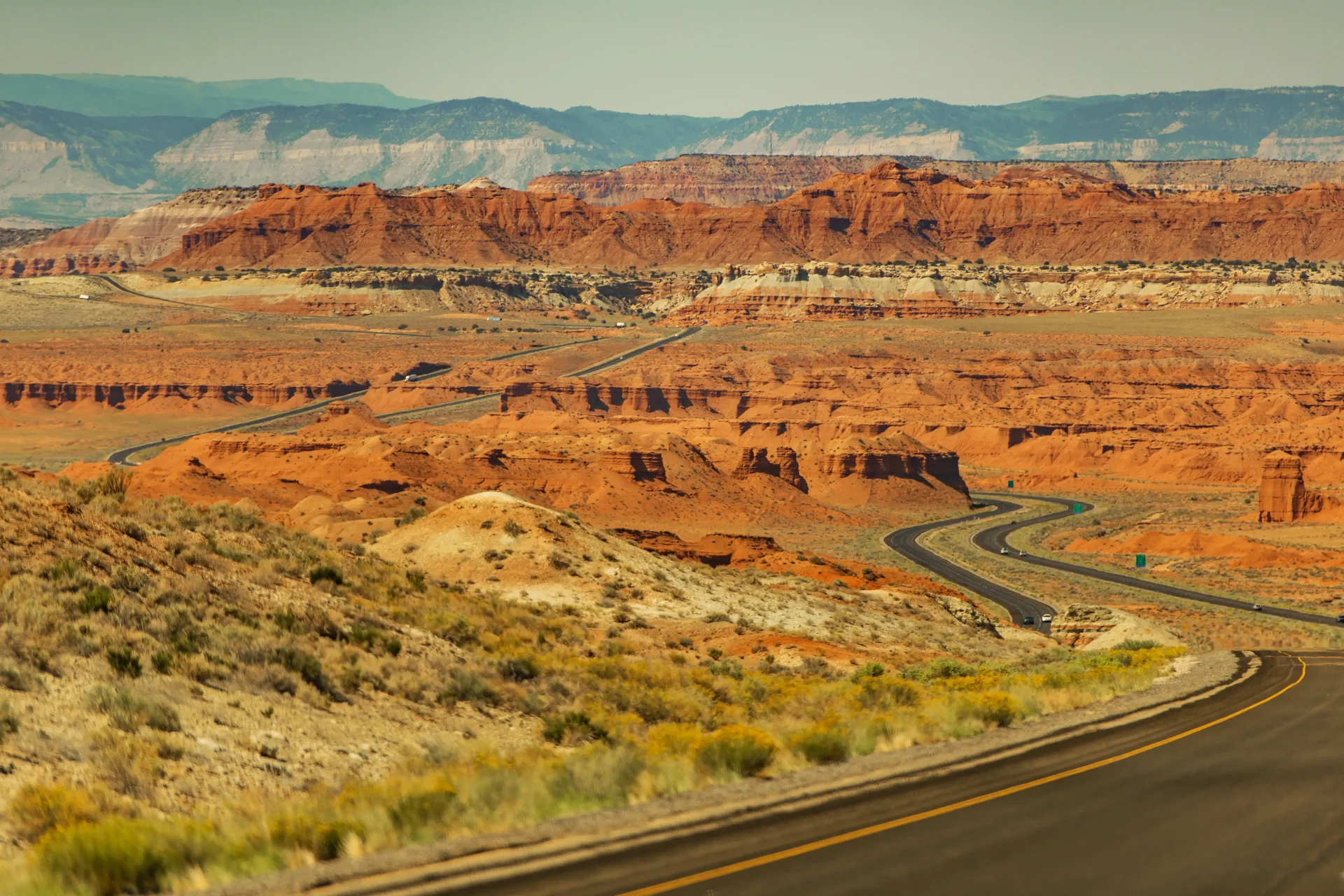
Few states pack in as much RV country as Utah. Zion, Bryce Canyon, Arches, Canyonlands, and Capitol Reef draw large numbers of visitors each year, and a good share of them arrive in a motorhome or towing a trailer.
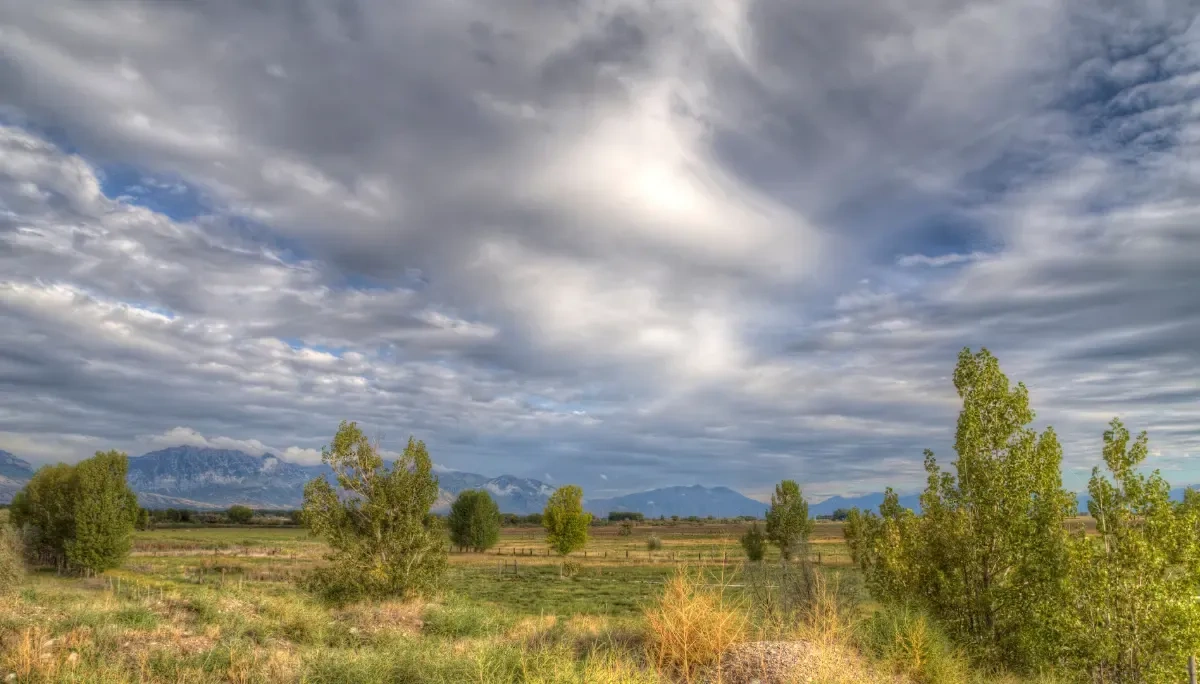
That access comes with real exposure. Much of Utah’s best camping sits far from the nearest town, on gravel roads and washboard passes where a breakdown or a hailstorm is not a quick fix. A blown tire outside Moab or a slide-out damage on a narrow canyon road is a very different claim than a fender bender in a Lehi parking lot.
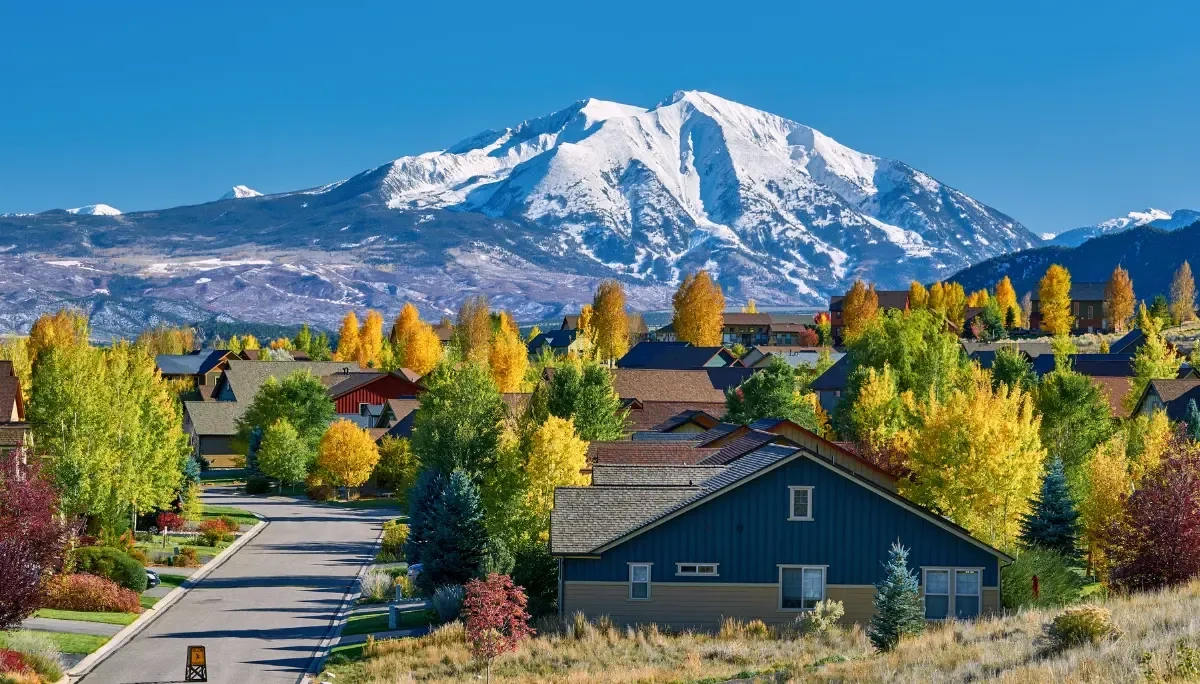
Utah County has also become a hub for RV ownership, with growing communities in Saratoga Springs, Eagle Mountain, Lehi, and American Fork buying everything from weekend travel trailers to full-time Class A coaches. The recreational vehicle insurance Utah residents carry should reflect that mix of remote travel and everyday storage, not a one-size-fits-all template.
What Types of RVs Are There and How Does Coverage Differ?
Quick Answer: Motorhomes are insured as motor vehicles and require their own liability coverage, while towable RVs like travel trailers and fifth wheels are insured differently and are not legally required to carry insurance in Utah.
The category of RV you own drives almost everything about your policy. Here is how the main types break down:
- Class A motorhomes: The large bus-style coaches. Class A motorhome insurance Utah owners buy typically includes liability, comprehensive and collision, and often higher limits because of the vehicle’s size and value.
- Class B motorhomes: Camper vans built on a van chassis. Smaller and easier to drive, but still insured as a motor vehicle.
- Class C motorhomes: Mid-size coaches with over-cab bunks. A common family choice, insured much like a Class A with its own auto-style coverages.
- Travel trailers: Towable units with no engine. The travel trailer insurance Utah owners carry is optional under state law, though lenders and campgrounds often expect it.
- Fifth wheels: Larger towables that hitch into a pickup bed. Fifth wheel insurance that Utah owners choose usually mirrors travel trailer coverage but with higher property limits.
- Pop-up campers: Lightweight folding trailers that are also towable and treated like other trailers for insurance purposes.
The key distinction: motorhome insurance Utah drivers need functions like auto coverage because the RV drives itself. Towables borrow liability coverage from the vehicle pulling them, but that borrowed coverage rarely protects the trailer’s own value or contents. Ask your agent to confirm which coverages apply to your exact setup.
What Does Utah Law Actually Require for RV Insurance?
Quick Answer: Utah requires motorhomes to carry the same minimum liability insurance as any motor vehicle, but it does not require insurance on towable trailers like travel trailers, fifth wheels, or pop-ups.
If your RV has an engine, Utah treats it as a motor vehicle. That means you must carry the state’s minimum liability limits, which the Utah Department of Public Safety sets for all registered motor vehicles. Liability coverage helps pay for injuries or property damage you cause to others in an accident.
Utah also requires personal injury protection on motor vehicles, which helps cover medical costs regardless of fault. You can review the state’s requirements through the Utah Insurance Department.
Many owners get this next part wrong. Utah does not legally require insurance on a towable trailer. A travel trailer or fifth wheel has no engine and is not separately registered as a motor vehicle in the same way, so the state does not mandate coverage on it.
That is not the same as saying you do not need it. If your towable is financed, your lender may require coverage. If a fire or windstorm destroys an uninsured trailer, that loss comes straight out of your pocket. Utah’s RV coverage requirements set a legal floor, not a smart ceiling.
What Insurance Do Full-Time RV Residents in Utah Need?
Quick Answer: If you live in your RV full-time, a standard recreational RV policy leaves dangerous gaps, and you need full-timers coverage that adds personal liability, personal property protection, and loss of use similar to a homeowners policy.
Full-time RV living has grown across Utah County, and it’s easy to see why. Remote work, rising housing costs, and a love of the outdoors have pushed more residents in Eagle Mountain, Saratoga Springs, and Lehi to make their rig their primary home.
Most recreational RV policies assume your RV is your second home, not your only one. When it becomes your residence, your exposure changes completely, and the full-time RV insurance Utah residents need has to close those gaps.
Here is what a proper full-timer policy typically adds:
- Personal liability at home: If a guest is injured inside or around your parked RV, this works like the liability portion of a homeowners policy. A recreational policy usually will not cover that.
- Personal property protection: Full-timers carry everything they own inside the rig. Standard RV property limits are often far too low to replace it all.
- Loss of use: If a covered claim makes your RV unlivable, this helps pay for temporary lodging while it is repaired.
- Higher medical and liability limits: Living in your RV means more day-to-day exposure than an occasional camping trip.
A common and costly mistake is buying a basic policy, moving in full-time, and never telling the insurer. If the carrier learns that your recreational RV is your permanent residence, a claim can be reduced or denied. Tell your agent exactly how you’ll use the rig so the policy matches your life. When you are ready, our local team can walk you through your setup and confirm that you are covered the way you think you are.
What Optional RV Coverages Should Utah Owners Consider?
Quick Answer: Utah’s remote terrain and heavy park traffic make roadside assistance, total loss replacement, and vacation liability among the most valuable optional coverages for Utah RV owners.
Beyond the basics, a few optional coverages earn their keep in Utah’s specific landscape. These are the ones we talk through most often with owners heading out toward canyon country.
- Emergency roadside assistance: A breakdown on a two-lane road near Capitol Reef can mean a long, expensive tow. RV-specific roadside coverage accounts for the size and weight of your rig.
- Total loss replacement: On a newer RV, it can pay to replace it with a comparable new unit after a total loss rather than paying out the depreciated value. Ask your agent how long this applies based on model year.
- Vacation liability: Provides Utah campsite liability coverage while your RV is parked and set up at a campground, helping if someone is injured at your site.
- Full-time coverage: Essential if the rig is your residence, as covered above.
- Emergency expense coverage: Helps with lodging and travel if your RV is disabled far from home.
- Roof and awning protection: Utah’s sun, wind, and sudden hail make exterior damage a real and frequent claim.
Some owners also layer on an umbrella policy for extra liability protection that extends above their auto and RV limits, which is worth considering if you have assets to protect. Coverage needs differ by usage, so a weekend camper who stores the rig for half the year should not carry the identical policy as a year-round traveler.
Does Your Auto or Home Insurance Already Cover Your RV in Utah?
Quick Answer: Your auto policy and your homeowners policy do not fully cover an RV, and relying on them leaves large gaps in both liability and property protection.
This is the most expensive assumption Utah RV owners make. It feels reasonable to think of the RV as “just a big vehicle” or “just like stuff at home,” but neither policy is built for it.
Your auto insurance policy extends limited liability to a motorhome in some situations, but it typically will not cover the specialized structure, appliances, slide-outs, or contents that make an RV an RV. For a towable, your auto liability often follows the trailer while it is hitched and moving, yet it usually does nothing for the trailer’s own damage when parked or in storage.
Homeowners coverage has its own limits here. A homeowners policy typically offers only a small amount of off-premises property protection, and it will not insure the RV itself, its liability while on the road, or your belongings inside it during travel. If you want to understand what your home policy does and does not cover, our overview of homeowners coverage for Utah residents is a good starting point.
Leaning on either policy leads to the same outcome: you find the gap at claim time, when it is too late to fix. A dedicated RV policy exists precisely because auto and home coverage were never designed for this.
How Do You Get the Right RV Insurance Through an Independent Utah Agent?
Quick Answer: An independent agent can compare RV policies from multiple carriers and match coverage to your specific vehicle type, usage, and storage situation, which single-carrier direct writers cannot do.
Not every insurer prices RVs the same way, and the differences get bigger with full-timers, large Class A coaches, and rigs stored on remote property. This is exactly where working with an independent RV insurance agent in Utah pays off.
ALINK has been an independent agency since 1959, with roots across Colorado and Utah, and our advisors compare policies from many insurance companies rather than pushing one brand. We shop for you and translate the fine print into plain English so you know what you are buying, leading you to the right coverage and real value rather than the lowest sticker price.
We are also genuinely local. Our advisors at the Saratoga Springs and Eagle Mountain office live and work in Utah County, so we understand the difference between a weekend trip to Bryce and a full-time setup parked in Highland or American Fork. That local knowledge is part of being Your Link to Security, on the road and at home. When you search for RV insurance Saratoga Springs, you are reaching your neighbors, not a remote call center.
Whether you are buying your first travel trailer or insuring a coach you already live in, the right move is a quick conversation about how you use your rig. Reach out to talk to a local ALINK advisor or call 877.643.6148, and we will compare your options and help you find RV coverage that fits your life in Utah.
Frequently Asked Questions
Is RV insurance required in Utah?
It depends on the type of RV you have. If your RV has an engine, such as a Class A, B, or C motorhome, Utah treats it as a motor vehicle and requires the same minimum liability insurance as any registered vehicle, along with personal injury protection. Towable RVs like travel trailers, fifth wheels, and pop-ups are not legally required to carry insurance in Utah. That said, lenders and campgrounds often expect coverage even when the state does not mandate it.
Does my auto insurance cover my travel trailer in Utah?
Not fully. Your auto liability coverage often follows a travel trailer while it is hitched and being towed, which can help if the trailer causes damage on the road. However, that borrowed coverage typically does nothing for the trailer’s own physical damage, its contents, or losses that happen while it is parked or in storage. To protect the value of your trailer and belongings, you need a dedicated RV or travel trailer policy.
How much does RV insurance cost in Utah?
The cost varies widely based on the type of RV, its value, how you use it, and where you store it. A weekend travel trailer that sits idle half the year will generally cost far less to insure than a large Class A coach or a rig you live in full-time. Optional coverages like roadside assistance, total loss replacement, and full-time protection also affect the price. The best way to get an accurate number is to compare quotes from multiple carriers based on your specific setup.
What is full-timer RV insurance and do I need it in Utah?
Full-timers RV insurance is coverage designed for people who live in their RV as their primary residence rather than using it for occasional trips. It adds protections similar to a homeowners policy, including personal liability if a guest is injured at your rig, higher personal property limits, and loss of use coverage for temporary lodging after a covered claim. If your RV is your permanent home in Utah, you need this coverage because a standard recreational policy leaves serious gaps. Failing to disclose full-time living to your insurer can also result in a reduced or denied claim.
What happens if my RV is damaged at a campsite in Utah?
It depends on the coverage you carry. Comprehensive coverage typically handles damage from events like hail, wind, or fire while your RV is parked and set up, which matters given Utah’s sudden storms and strong sun. Vacation liability coverage can help if someone is injured at your campsite. Without this coverage, repair or replacement costs, and any liability for injuries at your site, could come out of your own pocket.
Can I insure my Class A motorhome like a regular car in Utah?
Not quite. A Class A motorhome is insured as a motor vehicle and includes auto-style coverages like liability, comprehensive, and collision, but a standard auto policy is not built for it. Motorhomes require higher limits due to their size and value, plus specialized protection for slide-outs, appliances, and the interior structure that a car policy does not address. A dedicated RV policy is the right fit because it covers what makes a motorhome different from a regular vehicle.
Does homeowners insurance cover my RV or travel trailer in Utah?
Only in a very limited way. A homeowners policy usually provides only a small amount of off-premises property protection and will not insure the RV itself, its road liability, or your belongings inside it while traveling. It is not designed to replace a dedicated RV policy. To fully protect your rig and its contents, you need coverage built specifically for recreational vehicles.