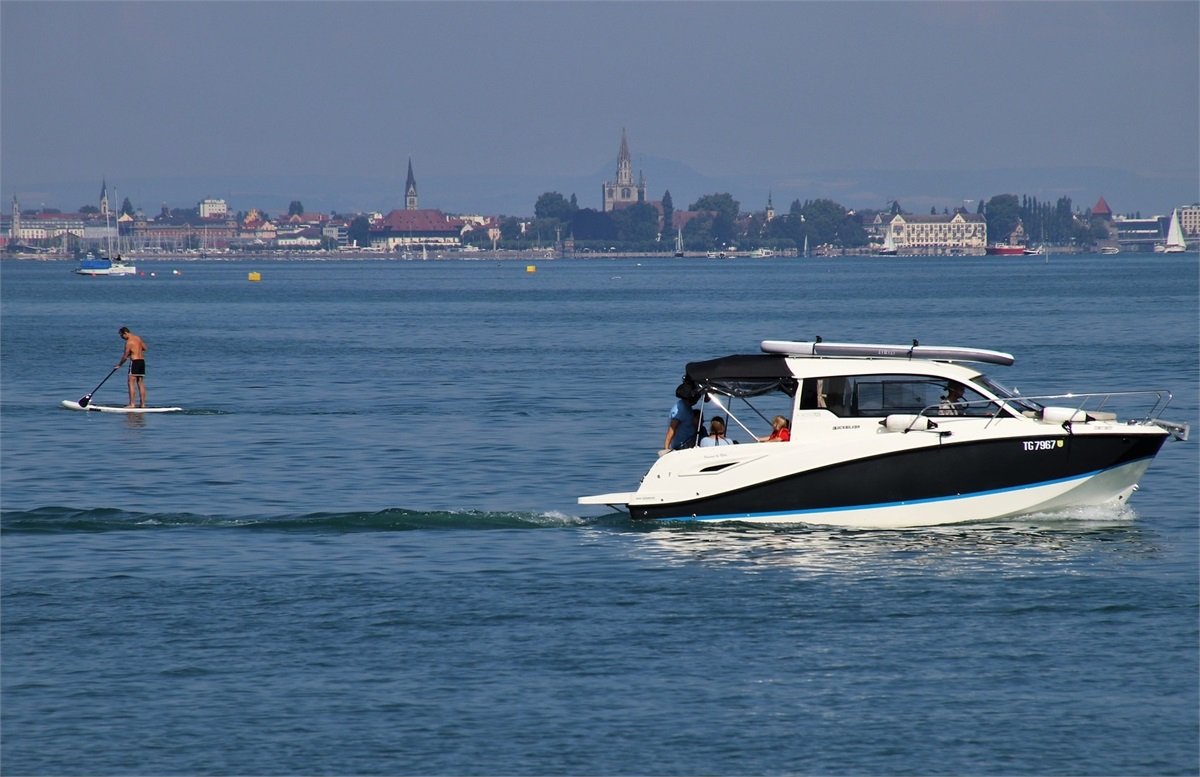
That new ATV in your Saratoga Springs garage or the boat you tow out to Utah Lake most weekends is probably not covered the way you think it is. Recreational vehicle insurance in Utah is separate, dedicated coverage for ATVs, snowmobiles, and watercraft, because standard auto and home policies generally exclude these vehicles. If you want protection during a loss, you need a policy built for how you actually ride and boat. Your current auto insurance policy is a good place to understand the gap.
Why Is Recreational Vehicle Insurance Different From Regular Auto Insurance?
Standard personal auto policies generally do not cover ATVs, snowmobiles, or boats, so a dedicated recreational vehicle policy is the reliable way to protect these machines. Auto insurance is written for road-legal passenger vehicles, and it typically excludes off-road and off-water recreational equipment.
This trips up a lot of Utah owners. You might assume that because you already pay for auto coverage, your four-wheeler is somehow included. It is not. If you cause an injury on a trail or damage someone’s property, an auto policy will point to its exclusions and deny the claim.
The same goes for your homeowners policy. Home insurance offers extremely limited help here, generally excluding off-premises motorized vehicle liability and physical damage. Once your ATV leaves your driveway, your home policy typically stops helping. You can read more about how home insurance handles your property and its limits to see where those gaps sit.
A recreational vehicle policy fills the space these two policies leave open. Liability protection covers you if you injure someone or damage property, and physical damage coverage protects your own machine. That distinction matters most on the day you actually need to file a claim.
Why Are the Risks Real in Utah’s Outdoor Recreation Scene?
Utah’s outdoor culture drives real exposure for owners of ATVs, snowmobiles, and watercraft. More riders, more trails, and more time on the water simply mean more chances for an accident, an injury, or a stolen machine.
Utah registers a large number of off-highway vehicles each year, and the trail systems around the Wasatch and Uinta ranges see heavy seasonal traffic. When that many machines share the same terrain, collisions and property damage happen.
Think about a typical weekend near Saratoga Springs. You trailer the boat to Utah Lake on Saturday, then head up to a Wasatch trailhead on Sunday. Each of those outings carries different risks: a boating collision, a rollover on a rocky climb, or a snowmobile that slides off a groomed trail.
The financial side is what makes coverage practical rather than optional. If you injure another rider or damage an expensive machine that is not yours, you are personally on the hook without insurance. Utah outdoor recreation insurance exists precisely because these losses can be serious, and they happen to careful people, not just reckless ones.
What Coverage Types Are Available for ATVs and Off-Road Vehicles in Utah?
An ATV or off-road vehicle policy in Utah is built from several coverage components, and understanding each one lets you buy exactly the protection you need instead of guessing. Off-road vehicle insurance in Utah is customizable, so you are not stuck with a one-size-fits-all package.
Here are the core coverages to know when shopping for ATV insurance in Utah:
- ATV liability coverage: Helps pay for injuries or property damage if you are at fault. If your machine hits another rider or damages a fence line, ATV liability coverage in Utah responds. This is the foundation of any off-road policy.
- Collision coverage: Pays to repair or replace your ATV after a crash or rollover, regardless of fault. Given how quickly a rocky trail can flip a machine, many owners want this.
- Comprehensive coverage: Covers non-collision losses like theft, fire, vandalism, or storm damage. ATVs are frequent theft targets, so this matters even in the off-season.
- Uninsured and underinsured motorist coverage: If another rider injures you and has no coverage, this helps fill the gap. Not every trail user carries insurance, which is exactly the problem this addresses.
- Accessory and equipment coverage: Winches, custom tires, racks, and aftermarket upgrades often need to be scheduled specifically. Standard limits may not reflect what you have actually invested.
A quick note on registration versus insurance: Utah requires off-highway vehicles to be registered through the Utah Division of Motor Vehicles for legal trail use, but registration is not the same as carrying insurance. Registration makes your machine legal to ride. Insurance protects you financially when something goes wrong. Owners often conflate the two, and that misunderstanding leaves them exposed.
If you own a towable or motorized camper alongside your ATV, that is a different product entirely. Our RV and motorhome insurance coverage handles those larger vehicles, which have their own set of risks distinct from off-road machines.
What Should Utah Snowmobile Owners Look For Before the Season Starts?
Before you haul your sled up to the Wasatch or Uinta trails, review your snowmobile policy for liability, physical damage, and equipment protection, because winter riding introduces terrain and towing risks that off-season storage does not. Snowmobile insurance in Utah should match how and where you ride.
Utah’s high-elevation snowmobile areas draw riders from across the region every winter, and the Utah State Parks system maintains groomed trail networks that see steady use once snow falls. Deep powder, tree wells, and variable backcountry conditions make snowmobiling one of the more physically demanding recreational activities in the state.
Here is what to confirm before the first storm:
- Liability coverage: Trails are shared spaces. If you collide with another rider or a stationary object and cause injury or damage, snowmobile trail insurance in Utah responds where your auto and home policies will not.
- Collision and comprehensive: Winter is hard on machines. Collision handles crash damage, and comprehensive covers theft or damage while your sled sits in storage during the off-months.
- Towing and transport: Many losses happen on the road to and from the trailhead, not on the snow. Confirm how your policy treats a breakdown or a disabled sled far from home.
- Accessories and gear: Aftermarket track kits, heated grips, and custom modifications should be documented so their value is reflected in your coverage.
A common mistake is dropping coverage entirely once the sled goes into summer storage. Theft and fire do not follow a season. Keeping comprehensive coverage active through the off-months protects the machine even when it is parked.
What Boat and Watercraft Insurance Do You Need Near Utah Lake and the Reservoirs?
Boat insurance in Utah should cover liability, physical damage to your vessel, and on-water assistance, because a day on Utah Lake or a mountain reservoir carries risks your home and auto policies do not touch. Watercraft insurance in Utah is tailored to how and where you boat.
Utah Lake sits right in the backyard of Saratoga Springs, Eagle Mountain, and Lehi, and it is one of the most heavily used freshwater bodies in the state. Add Jordanelle Reservoir, Deer Creek, and the other popular waterways along the Wasatch Front, and you have a boating community that puts serious hours on the water each summer.
Here are the coverage pieces that matter most for Utah Lake boat insurance and reservoir boating:
- Liability coverage: If your boat causes injury to a swimmer, another boater, or damages a dock, liability responds. On a crowded weekend at Utah Lake, this is the coverage you hope to never use but cannot afford to skip.
- Physical damage on the vessel: Pays for damage to your boat from a collision, grounding, storm, or fire.
- Agreed value versus actual cash value: A key decision. Agreed value pays a set amount you and the insurer establish upfront, with no depreciation deducted at claim time. Actual cash value factors in depreciation, so your payout reflects the boat’s current value. Agreed value costs more but removes surprises after a total loss.
- On-water towing: A breakdown in the middle of a reservoir is not a roadside situation. On-water towing coverage gets you and your vessel back to the ramp without a large out-of-pocket bill.
- Uninsured boater coverage: Not every boater on the water carries insurance. This coverage protects you if someone else causes the accident and cannot pay.
The Utah State Parks Division oversees boating registration and safety requirements on state waters, and your vessel must be registered to operate legally. As with ATVs, registration is separate from insurance. One keeps you legal, the other keeps you financially protected.
Want to make sure your boat and your home coverage line up before summer? Talk to a local ALINK advisor or call 877.643.6148, and we will walk through your situation.
Does Utah Law Require Recreational Vehicle Insurance?
Utah does not currently require liability insurance for ATVs, snowmobiles, or boats the way it requires auto insurance for road vehicles, but the absence of a mandate does not mean coverage is unnecessary. Utah law focuses on registration for these vehicles, not insurance.
Here is the distinction that matters. Off-highway vehicles must be registered through the Utah Division of Motor Vehicles for legal trail use, and boats must be registered through the Utah State Parks system. Registration rules make your machine legal to operate. They do not provide any financial protection if you cause an accident.
That gap is where many owners get caught. Because insurance is not legally mandated, some assume it is not worth carrying. But the financial exposure is identical whether the law requires coverage or not. If you injure someone or destroy property you do not own, the cost falls on you personally.
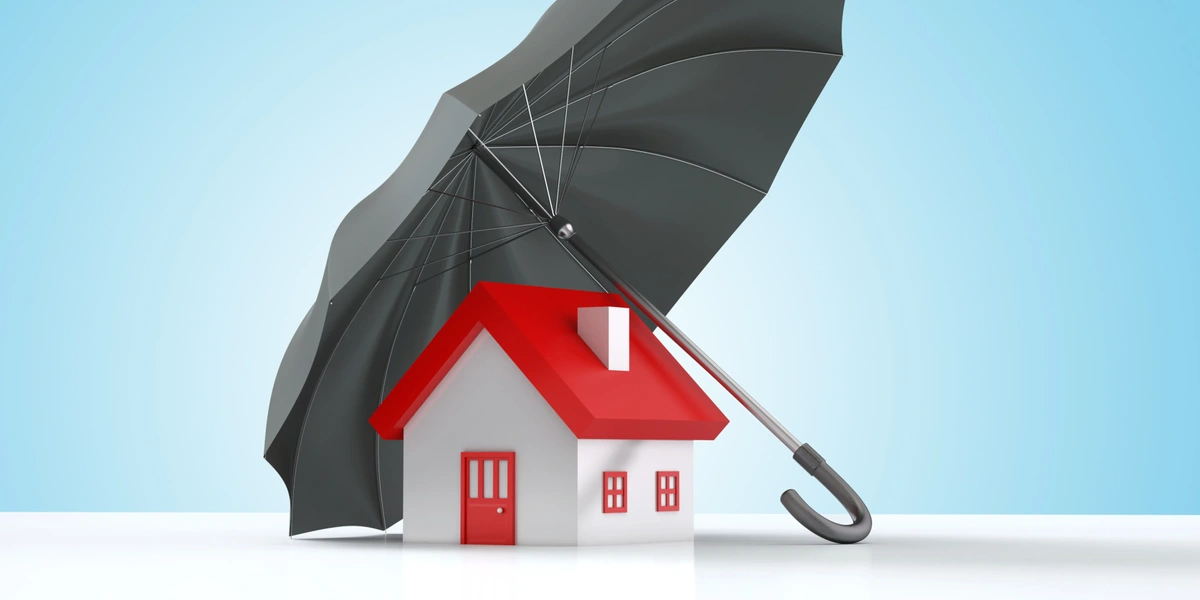
This is why we describe recreational vehicle coverage as practically essential rather than legally required. The risk is real even when the mandate is absent. For riders and boaters who want an extra layer of protection above their policy limits, an umbrella insurance policy can extend liability coverage across your recreational vehicles, home, and auto together.
How Do You Get Recreational Vehicle Coverage Through ALINK’s Utah Office?
Getting recreational vehicle coverage through ALINK starts with a conversation at our Saratoga Springs office, where our independent agents shop multiple carriers to match your ATV, snowmobile, or boat with the right policy. Because we are independent, we are not tied to a single company’s products.
ALINK has been an independent insurance agency since 1959, with more than 65 years serving families and small businesses across Colorado and Utah. Our Saratoga Springs presence means you are working with local advisors who know Utah Lake, the Wasatch trails, and the way people in this community actually use their recreational vehicles. When you look for recreational vehicle coverage in Saratoga Springs, you are working with people who understand the terrain rather than a national call center that has never seen it.
Here is what the independent agency advantage looks like in practice:
- We compare carriers for you. Instead of one quote from one company, we shop several to find coverage that fits your machines and how you use them.
- We look for bundling opportunities. If you already carry home or auto coverage, adding recreational vehicles to the mix may qualify you for a discount. Bundling savings vary by carrier and situation, so we run the numbers for your specific case.
- We review your existing policies for gaps. Many owners assume their home or auto coverage does more than it does. We review your existing home and auto policies to identify where those exclusions leave you exposed, then fill the gaps with the right recreational vehicle policy.
Being your link to security means keeping pace with your life. Insurance needs change as you add machines, take up new hobbies, or spend more time on the water. We are here to keep your coverage current.
Ready to protect the ATVs, snowmobiles, and boats you count on all season? Contact ALINK or call 877.643.6148 to talk with a local advisor who will shop multiple carriers and help you find coverage that fits how you ride and boat in Utah.
Frequently Asked Questions
Is ATV insurance required in Utah?
Utah does not legally require insurance for ATVs or other off-highway vehicles the way it mandates auto insurance for road vehicles. What the state does require is registration through the Utah Division of Motor Vehicles for legal trail use, which is a separate matter from carrying insurance. Registration keeps you legal, but it offers no financial protection if you cause an injury or damage someone else’s property. Because the financial exposure is the same whether or not the law requires coverage, ATV insurance remains practically essential for most owners.
Does my homeowners insurance cover my ATV or boat?
In most cases, no. Standard homeowners policies offer very limited protection for recreational vehicles and generally exclude off-premises motorized vehicle liability and physical damage. Once your ATV leaves your driveway or your boat hits the water, your home policy typically stops responding to claims. To protect these machines properly, you need a dedicated recreational vehicle policy built for how you actually ride and boat.
How much does recreational vehicle insurance cost in Utah?
The cost of recreational vehicle insurance in Utah varies based on the type of machine, its value, the coverages you select, and how you use it. An ATV with basic liability will cost less than a high-value boat with agreed value coverage and on-water towing. Factors like accessory coverage, comprehensive protection, and your riding history also affect the final price. The best way to get an accurate number is to have an independent agent shop multiple carriers for your specific machines and situation.
Is my snowmobile covered if I ride on public trails in Utah?
Your snowmobile is only covered on public trails if you carry a dedicated snowmobile policy, since auto and home policies generally exclude these machines. Utah’s groomed trail networks are shared spaces, so a collision with another rider or a stationary object can leave you personally liable without the right coverage. Liability protection responds to injuries or property damage you cause, while collision and comprehensive protect your own sled. Registration through the state may make your machine legal to ride, but it does not provide any financial protection.
What does boat insurance cover on Utah Lake?
Boat insurance on Utah Lake typically covers liability for injuries or property damage you cause, physical damage to your own vessel, and on-water assistance. Liability is critical on a crowded weekend, responding if you injure a swimmer, hit another boater, or damage a dock. Physical damage coverage pays for losses from collisions, groundings, storms, or fire, and you can often choose between agreed value and actual cash value settlements. On-water towing and uninsured boater coverage add further protection that your home and auto policies simply do not provide.
Can I bundle my ATV insurance with my auto or home policy?
Yes, many owners can bundle recreational vehicle coverage with their existing auto or home policies, and doing so may qualify you for a discount. Bundling savings vary by carrier and situation, so it is worth having an independent agent run the numbers for your specific case. Because ALINK shops multiple carriers, we can identify which combinations offer the best value for your machines and coverage needs. Beyond savings, keeping your policies together can also make managing your coverage simpler.
What happens if I cause an accident on my ATV and have no insurance?
If you cause an accident without ATV insurance, you are personally responsible for the resulting costs. That can include medical bills for anyone you injure and repair or replacement costs for property or machines you damage that are not yours. Since Utah does not mandate this coverage, some owners skip it, but the financial exposure remains the same whether or not the law requires it. A single serious trail accident can lead to expenses that far exceed the cost of a policy, which is why coverage is practically essential.