Get caught in a serious crash with only Utah’s minimum coverage, and your savings, wages, and assets could be on the line. Driving legally in Utah takes more than a full tank and a valid license: it takes the right coverage, and many drivers carry less than they think. Utah requires liability insurance, Personal Injury Protection, and proof of coverage tied to the state’s electronic verification system. For a clear look at your options, our auto insurance team can walk you through it. If you recently moved here, our new-to-Utah car insurance guide covers the transition side.
What Does Utah’s No-Fault System Mean for Your Coverage?
Utah is a no-fault state, which means your own auto policy pays for your medical bills after a crash before anyone determines who caused it. Payment happens through Personal Injury Protection, or PIP, and it applies whether the accident was your fault or someone else’s. This is the foundation of Utah car insurance laws.
Here is the plain-English version. Say you are rear-ended at a light near the Pioneer Crossing exit in Saratoga Springs. Under Utah no-fault insurance, your PIP coverage steps in first to handle your medical costs, lost wages, and certain other expenses. You do not wait for an investigation or a court decision to get care.
That system is designed to reduce small lawsuits and speed up medical payments, but it has limits. Utah law lets you step outside the no-fault system and pursue a liability claim against the at-fault driver when your injuries are serious enough.
Based on Utah law as of 2024, that generally means medical expenses crossing a specific threshold, or an injury involving permanent disability, permanent impairment, dismemberment, or death. Once you cross that line, you can pursue the other driver for pain, suffering, and costs beyond what PIP covers. Utah insurance law can be updated, so consult with an agent or verify current thresholds with the Utah Insurance Department before relying on specifics, and note that readers should confirm current statutes.
What Are Utah’s Minimum Auto Insurance Requirements?
Utah drivers must carry bodily injury and property damage liability of at least 25/65/15, plus a minimum of $3,000 in Personal Injury Protection. These are the legal floor to register a vehicle and drive in the state, not a recommended level of protection.
Here is what each number in “25/65/15” actually means:
- $25,000 for bodily injury per person. This is the most your liability coverage pays for one person’s injuries when you cause a crash.
- $65,000 for bodily injury per accident. This is the total your policy pays for everyone injured in a single accident you cause.
- $15,000 for property damage. This covers damage you cause to another person’s vehicle or property.
Then there is PIP. Your minimum $3,000 in PIP insurance covers your own medical costs after an accident regardless of fault, as explained above. Coverage can also help with lost income and certain funeral expenses under Utah law.
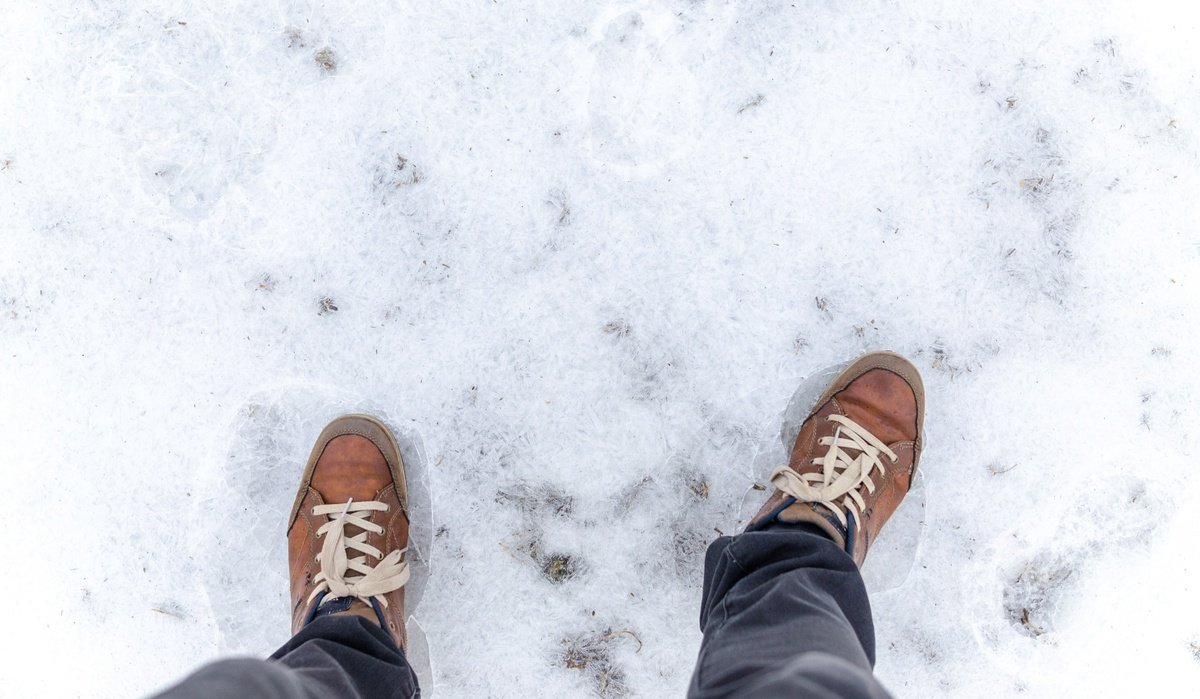
Picture a real scenario. You slide on ice on a January morning in Lehi and hit another vehicle. Your $15,000 property damage limit sounds like plenty until you learn the car you struck was a newer SUV. If repairs and related costs run past $15,000, you are personally responsible for the difference.
These minimums keep you legal, but they are a legal floor rather than a measure of adequate protection. Verify current minimum car insurance Utah figures against Utah Code, since limits can be adjusted by the legislature.
When Do Utah’s Minimums Leave You Exposed?
Minimum coverage runs out fast in a serious accident, leaving you personally liable for everything above your policy limits. In a multi-vehicle crash or one with real injuries, the state minimum is often not close to enough.
Consider a common highway scenario. You are merging onto I-15 near American Fork and cause a collision that injures two people. Their combined medical bills, ambulance rides, and follow-up care add up quickly. Your 25/65/15 policy caps bodily injury at $65,000 total per accident, and serious injuries routinely exceed that.
When the costs pass your limits, the injured parties can pursue you directly. That can mean your savings, your wages, and your assets are on the line. Utah’s courts can allow wage garnishment to satisfy a judgment.
Here is where Utah liability insurance limits matter more than most drivers realize:
- Higher liability limits protect your income and assets, not just the other driver.
- The minimum protects the state’s interest, ensuring some coverage exists, not yours.
- A single serious accident can outlast minimum limits in one emergency room visit.
Carrying more than the minimum does not erase every financial risk from a crash, but it moves the danger line much further away from your personal finances. Many Utah families in fast-growing communities like Eagle Mountain and Saratoga Springs choose higher limits precisely because a busy commute raises the odds of a costly accident.
What Optional Coverages Should Utah Drivers Consider?
Beyond the required minimums, several optional coverages address risks specific to driving in Utah, from winter roads to uninsured drivers to wandering deer. These are not upsells: they close real gaps.
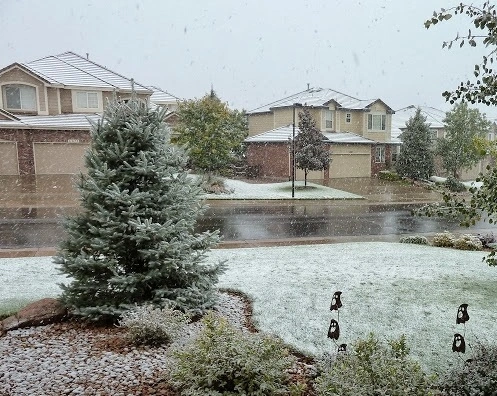
Collision coverage pays to repair or replace your own vehicle after a crash, regardless of fault. Given icy canyon roads and heavy winter storms across Utah County, this matters, because your liability coverage does nothing for your own car.
Comprehensive coverage handles non-collision damage: hail, theft, fire, vandalism, and animal strikes. Deer collisions are a genuine Utah hazard, especially near foothill roads around Saratoga Springs and Eagle Mountain at dawn and dusk. Comprehensive is what covers that repair.
Uninsured and underinsured motorist coverage protects you when the at-fault driver has no insurance or too little. Utah has a notable number of uninsured drivers on the road, and Utah uninsured motorist coverage means their lack of coverage does not become your financial problem.
Medical payments coverage supplements your PIP for medical bills after an accident, adding another layer for you and your passengers.
If your household includes a camper, boat trailer, or off-road toys, remember that Utah’s outdoor lifestyle brings its own coverage needs. Our RV and motorhome insurance options handle the vehicles a standard auto policy will not.
What Affects Your Auto Insurance Rate in Utah?
Utah insurers set your premium using a mix of factors, some you control and some you do not. Understanding them helps you see why your Utah auto insurance rates land where they do.
Here are the primary rating factors insurers weigh:
- Driving record. Tickets, at-fault accidents, and violations raise rates. A clean record helps.
- Vehicle type. What you drive, its safety features, and repair costs all matter.
- Location. Where you park and drive in Utah affects risk, from urban density to weather exposure.
- Coverage choices. Higher limits and lower deductibles cost more but protect more.
- Mileage and use. A long daily commute from Saratoga Springs to Salt Lake carries more exposure than occasional local driving.
- Bundling. Combining auto with other policies often earns a discount.
That last point is worth acting on. Pairing your auto policy with home insurance frequently lowers the total cost of both. As an independent agency, we shop multiple carriers and compare that math across a range of insurers rather than pushing a single company’s rate.
Some of these factors are fixed by life circumstances. Others shift as your record improves, your vehicles change, or your household grows.
What Are the Penalties for Driving Without Insurance in Utah?
Driving without insurance in Utah carries real consequences, including fines, license and registration suspension, and a required SR-22 filing to get back on the road legally. The state does not treat it as a minor slip.
Utah runs an electronic insurance verification system that tracks whether registered vehicles carry active coverage. If your insurance lapses, the state can flag it automatically, no traffic stop required.
Here is what an uninsured driver in Utah can face under current law:
- Fines for a first offense, with steeper penalties for repeat violations.
- Suspension of your driver license and vehicle registration until you show proof of coverage.
- Reinstatement fees to restore your driving and registration privileges.
- An SR-22 requirement. SR-22 in Utah is a form your insurer files with the state to prove you carry at least the minimum coverage, often required for a set period after a violation.
An SR-22 is not a type of insurance. Instead, it is proof of insurance the state demands after a lapse or serious violation, and it typically signals higher risk to insurers.
Because penalty amounts and requirements can change, confirm current details with the Utah Division of Motor Vehicles before assuming specifics. The simplest way to avoid all of this is to keep continuous, verifiable coverage.
How Does ALINK’s Saratoga Springs Office Help Utah Drivers Find Better Coverage?
The independent agent advantage is simple: instead of selling one company’s policies, we shop multiple carriers and compare quotes to find the right combination of coverage and price for you. That is the difference between a captive agent and a real advocate who works for you.
ALINK has been an independent insurance agency since 1959, first serving Colorado Springs and Parker for decades, and now serving Utah drivers from our new Saratoga Springs office. Serving both Colorado and Utah matters if you own property or drive across the state line, a common situation in this region.
We know Utah’s rules, its weather, its deer, and its electronic verification system, because we live and work in Saratoga Springs too. That local knowledge is your link to security when the minimums leave gaps you cannot see on your own.
When you are ready, our local Saratoga Springs team is happy to review your policy and run the numbers across a range of insurers. For auto insurance Saratoga Springs Utah drivers can rely on, that independent, community-based approach is what sets us apart.
If you have questions about your Utah auto coverage or want to make sure your limits actually protect your family, contact ALINK at 877.643.6148 or reach out through our contact page to talk with a local, independent advisor who works for you, not a single carrier.
Frequently Asked Questions
Is Utah a no-fault state for car insurance?
Yes, Utah is a no-fault state, which means your own Personal Injury Protection coverage pays for your medical bills after a crash before fault is determined. This system applies whether the accident was your fault or another driver’s, and it is designed to speed up medical payments while reducing minor lawsuits. Utah law does allow you to step outside the no-fault system and pursue the at-fault driver when your injuries are serious enough, such as those crossing a specific medical expense threshold or involving permanent impairment. Because these thresholds can change, verify current figures with the Utah Insurance Department before relying on specifics.
What is the minimum car insurance required in Utah?
Utah drivers must carry liability coverage of at least 25/65/15, which breaks down to $25,000 for bodily injury per person, $65,000 for bodily injury per accident, and $15,000 for property damage. On top of that, you need a minimum of $3,000 in Personal Injury Protection to cover your own medical costs regardless of fault. These are the legal requirements to register a vehicle and drive in the state. Keep in mind that these figures represent a legal floor rather than a level of protection that fully shields your finances in a serious crash.
Does Utah require uninsured motorist coverage?
Utah does not legally require you to carry uninsured or underinsured motorist coverage, but it is strongly worth considering. This coverage protects you when the at-fault driver has no insurance or carries too little to cover your damages. Utah has a notable number of uninsured drivers on the road, so this optional coverage prevents another person’s lack of insurance from becoming your financial burden. Adding it closes a real gap that the state minimums leave open.
What happens if you get caught without insurance in Utah?
Driving without insurance in Utah can lead to fines, suspension of your driver license and vehicle registration, reinstatement fees, and a required SR-22 filing. The state uses an electronic verification system that tracks active coverage, so a lapse can be flagged automatically without a traffic stop. First offenses carry fines, and penalties grow steeper for repeat violations. Because penalty amounts and requirements can change, confirm current details with the Utah Division of Motor Vehicles before assuming specifics.
How does PIP insurance work in Utah?
Personal Injury Protection pays for your own medical costs after an accident regardless of who caused it, which is the core of Utah’s no-fault system. The state requires a minimum of $3,000 in PIP coverage, and it can also help with lost income and certain funeral expenses under Utah law. Because payment happens without waiting for a fault determination or court decision, you can get care quickly after a crash. If you are rear-ended near an intersection in Saratoga Springs, for example, your PIP steps in first to handle those initial medical expenses.
Can I use my Colorado auto insurance if I move to Utah?
If you become a Utah resident, you generally need to update your auto insurance to meet Utah’s specific requirements, including the 25/65/15 liability limits and the mandatory Personal Injury Protection coverage. Colorado and Utah have different insurance rules, and Utah’s no-fault system with PIP is a key difference that a Colorado policy may not address. Since Utah ties proof of coverage to its electronic verification system, your policy also needs to reflect a Utah-registered vehicle. An independent agent who serves both states can help you transition your coverage smoothly.
What is an SR-22 and when do Utah drivers need one?
An SR-22 is not a type of insurance but rather a form your insurer files with the state to prove you carry at least the minimum required coverage. Utah drivers typically need one after a serious violation or a lapse in insurance, and it is often required for a set period after the offense. Because it signals higher risk to insurers, an SR-22 filing can affect your rates during the required timeframe. If you need one, confirm the current filing period and requirements with the Utah Division of Motor Vehicles.