Understanding the right type of insurance for your property is not just a good idea—it’s essential to protecting your financial well-being. Whether you’re a homeowner or a landlord, the coverage you choose needs to reflect how your property is used. Unfortunately, many property owners assume that a standard homeowners insurance policy covers all bases, including rental activities. This can lead to costly gaps in protection.
This guide from Alink Insurance will help you distinguish between landlord insurance and homeowners insurance, clarify when each is appropriate, and highlight specific considerations in states like Utah and Colorado. We will also explore frequently misunderstood policy areas such as tenant liability, rental loss coverage, and legal requirements. Our goal is to ensure you’re equipped to make informed, confident decisions—backed by sound insurance knowledge.
What Is Homeowners Insurance?
Homeowners insurance is designed to protect owner-occupied residential properties. It provides coverage for:
The physical structure of the home (dwelling)
Personal belongings
Liability for accidents or injuries on the property
Additional living expenses if the home becomes uninhabitable
This type of policy assumes the homeowner resides in the property. If a home is instead being rented to others, relying on a homeowners policy may result in denied claims due to improper use.
What Is Landlord Insurance?
Landlord insurance, also known as rental property insurance, is specifically designed for properties that are rented to tenants. It covers:
The structure of the building
Loss of rental income due to a covered event
Liability for injuries or property damage affecting tenants or visitors
Optional coverage for landlord furnishings and appliances
Unlike homeowners insurance, landlord insurance does not cover the personal property of tenants. Renters need to carry their own renters insurance for that protection.
Key Differences: Landlord vs. Homeowners Insurance
Here’s a clear comparison of the core differences:
Feature
Homeowners Insurance
Landlord Insurance
Property Occupancy
Owner-occupied
Tenant-occupied
Dwelling Coverage
Yes
Yes
Personal Belongings
Yes
Limited (landlord items only)
Liability Coverage
Yes (for owner and guests)
Yes (for tenant-related claims)
Loss of Use
Yes
No
Loss of Rental Income
No
Yes
Tenant Property Coverage
No
No
This distinction is critical for ensuring you are not underinsured or unintentionally uninsured.
When Do You Need Landlord Insurance?
You need landlord insurance if:
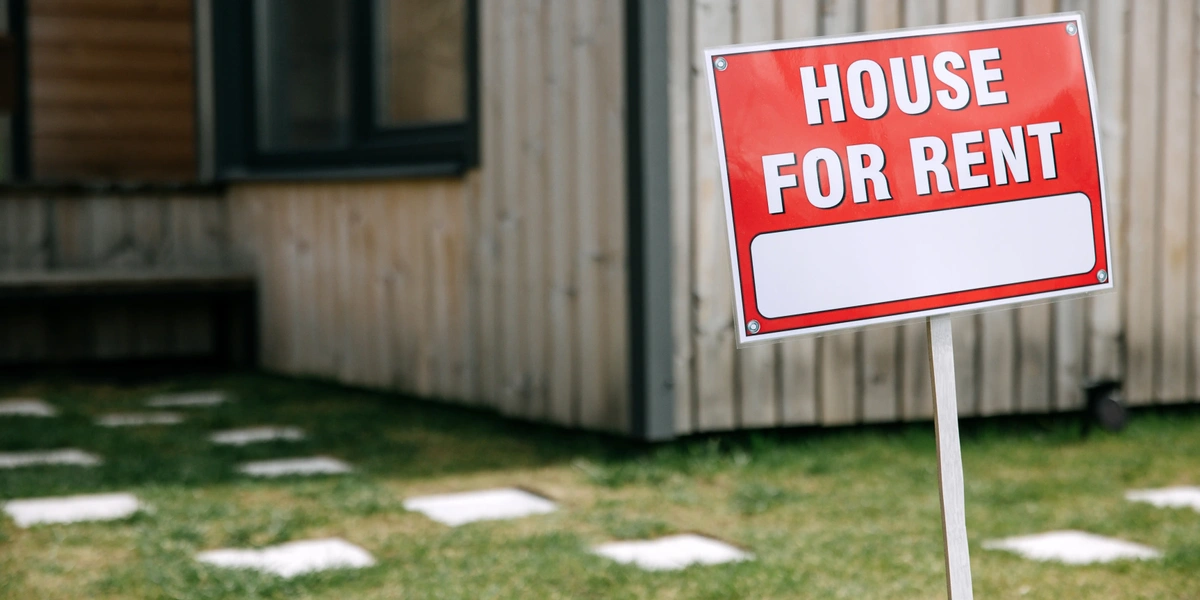
You rent your home or a portion of it to tenants.
You have a second property used for long-term or short-term rental.
You rent out your home seasonally or occasionally.
Even a short-term rental situation (such as using Airbnb or Vrbo) may disqualify a homeowners policy and require specific rental coverage. Insurers consider the occupancy pattern and frequency of rental activity when assessing risk.
When Is Homeowners Insurance Enough?
Homeowners insurance is appropriate when:
You live in the home as your primary residence.
You have occasional guests but do not collect rental income.
You occupy the home while renting a single room (in some cases—check with your insurer).
However, even minor rental activities should be disclosed. Many carriers offer endorsements that can expand homeowners policies to include limited rental use, such as home-sharing endorsements or short-term rental riders.
State-Specific Considerations: Utah and Colorado
Landlord Insurance in Utah
In Utah, landlord insurance is not legally required, but it is highly recommended. Local property risks include:
Snow-related damage (ice dams, frozen pipes)
Earthquake risk in some areas
Wildfire exposure in rural counties
Landlords in Utah should also be aware of requirements for smoke detectors, carbon monoxide alarms, and minimum habitability standards that could influence liability exposure.
Rental Property Coverage in Colorado
Colorado presents unique risks for landlords due to:
High wildfire activity in mountain and foothill regions
Hail and windstorm damage on the Front Range
Tenant rights laws that may affect liability and loss of rent disputes
Colorado landlords should also be mindful of seasonal rental regulations in resort towns, which may impact insurance availability or policy structure.
Common Coverage Gaps to Watch For
1. Loss of Rent Coverage
A frequent oversight is assuming that homeowners insurance will reimburse rental income during repairs. Only landlord insurance typically offers loss of rental income coverage when damage from a covered peril makes the property uninhabitable.
2. Tenant-Caused Damage
Some landlord policies offer limited protection against tenant-caused damage. However, this varies by carrier and usually excludes intentional acts. Routine wear and tear is never covered.
3. Short-Term Rental Exclusions
If you switch to renting on platforms like Airbnb or Vrbo, check your policy immediately. Most homeowners policies exclude coverage for business activities, including short-term rentals, unless specifically endorsed.
4. Legal Liability
Landlord insurance extends liability protection for lawsuits brought by tenants or their guests. This includes injuries due to structural issues or alleged negligence in property maintenance.
Choosing the Right Policy: What to Ask
When evaluating whether you need landlord or homeowners insurance, ask the following:
Who occupies the property full-time?
How frequently is the property rented?
Is the rental long-term, short-term, or seasonal?
Are you offering furnished accommodations?
Do you have separate structures or amenities (e.g., garages, pools) that tenants use?
Your insurance advisor can help assess these answers to determine the right policy structure.
How Alink Insurance Supports Property Owners
At Alink Insurance, we provide tailored coverage solutions for both homeowners and landlords. Our advisors clarify coverage requirements, explain exclusions, and help you prepare for state-specific risks. We help clients:
Ensure compliance with legal insurance requirements
Protect against tenant-related liabilities
Cover potential income loss from property damage
Navigate complex coverage decisions across multiple properties
Whether you’re managing a single-family rental in Utah or investing in a vacation property in Colorado, we provide personalized advice with clarity and care.
Choosing the right insurance policy hinges on understanding how your property is used. Landlord and homeowners insurance serve different purposes, and using the wrong one could result in uncovered claims or legal complications. With tailored guidance and comprehensive support, Alink Insurance helps property owners stay protected, compliant, and confident—no matter where they’re located or how they use their property.
FAQs
1. Can I use homeowners insurance if I occasionally rent my home?
Only if your insurer offers an endorsement for limited rental use. Otherwise, you may need landlord insurance.
2. Does landlord insurance cover my tenant’s belongings?
No. Tenants must purchase renters insurance to cover their personal property.
3. Is landlord insurance more expensive than homeowners insurance?
It can be, depending on rental risk, property location, and liability factors. However, it also provides crucial protections homeowners policies do not.
4. What happens if I don’t tell my insurer I’m renting the property?
You risk a denied claim. Always disclose rental use to ensure your policy reflects the correct risk profile.
5. Do I need a separate policy for short-term rentals?
Yes. Most carriers require a specific short-term rental policy or endorsement for platforms like Airbnb.