One bad hailstorm off the Front Range can turn a healthy business into a recovery project overnight. Business property insurance in Colorado protects the physical side of your business, your building, equipment, inventory, and furnishings, so a covered loss doesn’t wipe out everything you’ve built. If you want help sorting out the right coverage, our comprehensive guide to commercial property insurance in Colorado is a good place to start, and you can always talk to a local Allstate advisor when you’re ready.
What Does Commercial Property Insurance Cover for Colorado Businesses?
Commercial property insurance covers the physical assets your business owns or is responsible for: the building itself, business personal property like equipment and inventory, and improvements you have made to a space you lease. It pays to repair or replace those items after a covered event such as fire, theft, vandalism, or hail.
Most policies break coverage into a few clear buckets. Understanding them helps you set accurate limits from the start.
- Building coverage: The physical structure you own, including permanently installed fixtures, roofing, and HVAC systems.
- Business personal property: your movable assets like computers, tools, furniture, machinery, and inventory. This is the heart of business contents insurance in Colorado for tenants who do not own their building.
- Tenant improvements and betterments: upgrades you pay for in a leased space, such as built-in shelving, custom counters, or specialized electrical.
This is where many owners get tripped up. A standard commercial property policy does not automatically cover everything. Flood damage is excluded and requires a separate flood policy through the National Flood Insurance Program or a private carrier. According to FEMA, flood is one of the most common and costly natural disasters in the country, yet it sits outside the standard property policy. This is a frequent misconception, so it is worth confirming you have separate flood protection if your location needs it.
Employee theft and other crime losses are also not included by default. These typically require a separate commercial crime or fidelity endorsement. Vehicles are not covered under commercial property either. If your business owns or uses vehicles, you need commercial auto insurance as a separate line of protection. Starting with an accurate baseline of what is and is not included keeps you from discovering a gap at the worst possible moment.
Which Colorado-Specific Perils Should Every Business Owner Plan For?
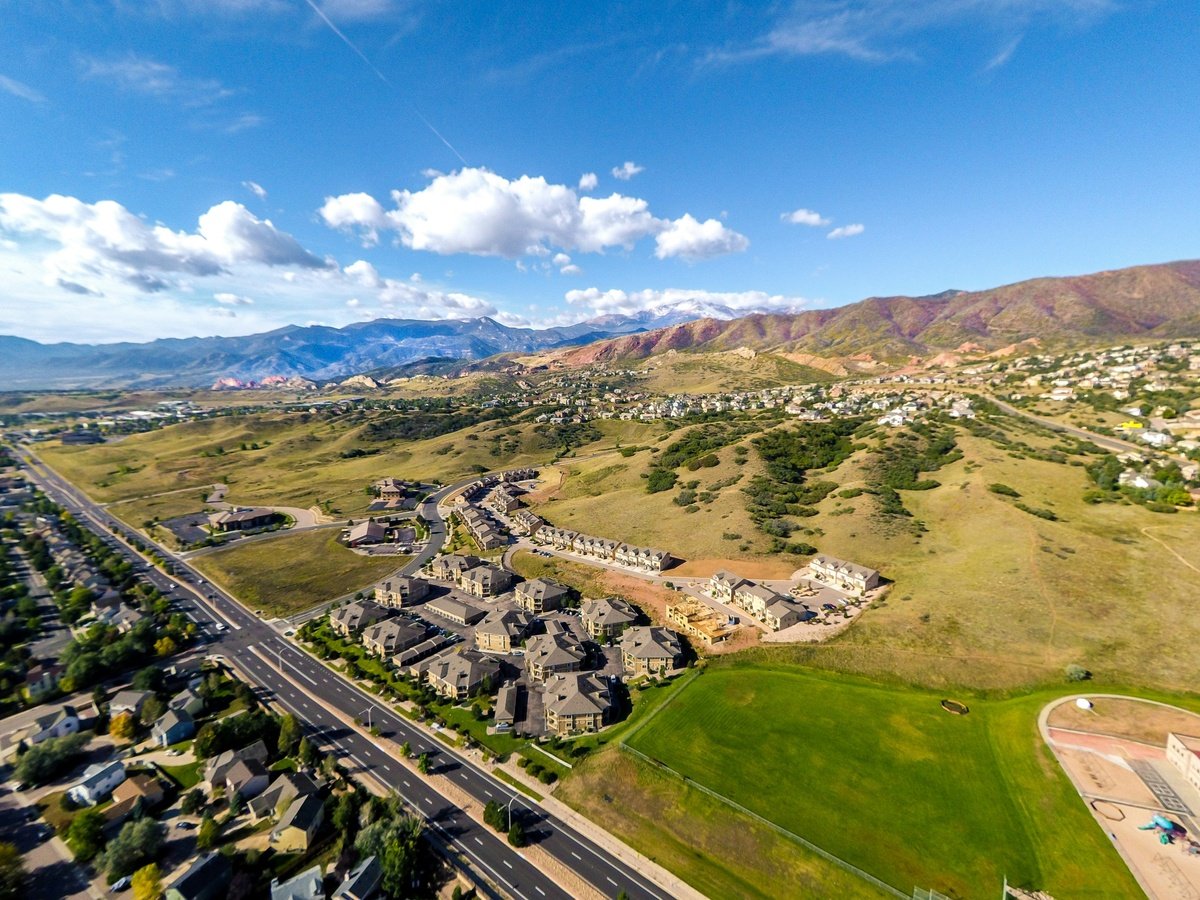
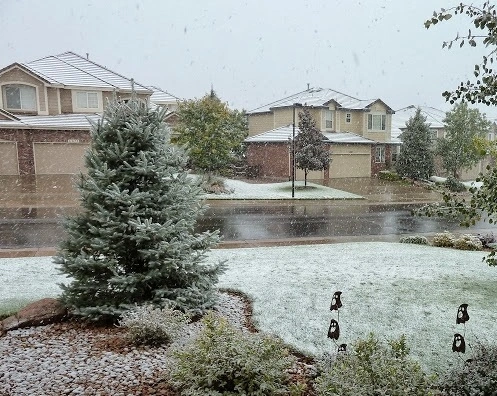
Colorado businesses face a distinct mix of weather risks that should directly shape your coverage limits and endorsements. Hail, wildfire, high-altitude freeze events, and wind are the four that matter most, and generic national policies rarely account for how frequent they are here.
Hail is the big one. Colorado consistently ranks among the top states in the nation for hail activity, and the “hail alley” corridor that runs through El Paso, Douglas, and neighboring counties sees some of the most frequent damaging hail events in the country. The Insurance Information Institute tracks hail as one of the largest sources of property claims nationally, and business owners in Colorado Springs and Parker are feeling that reality firsthand. Roofs, rooftop HVAC units, skylights, and exterior signage take a beating, which is exactly why commercial property hail coverage in Colorado deserves close attention, including how your policy values a hail-damaged roof.
Wildfires are the second major concern. Communities near Colorado Springs, Monument, and the foothills sit in or near the wildland-urban interface, where fire risk is elevated. The Colorado State Forest Service has documented that a significant share of Colorado homes and structures sit in areas of elevated wildfire hazard. For commercial buildings, that risk affects both your coverage terms and how carriers evaluate your property.
Two more perils round out the list:
- Freezing events at elevation: sudden temperature drops can burst pipes and cause water damage, especially in older commercial buildings or spaces that sit vacant over weekends.
- Wind and windstorm: high plains and downslope winds can tear off roofing, topple signage, and drive debris into structures.
Because carrier appetite for hail and wildfire exposure changes over time, working with an independent commercial insurance agent in Colorado Springs who compares multiple carriers gives you a real advantage. While one carrier tightens up on hail-prone roofs, another may stay competitive.
Replacement Cost vs. Actual Cash Value: Which Valuation Method Pays More After a Loss?
The valuation method in your policy determines how much you receive after a loss, and for most Colorado business owners, replacement cost coverage delivers far better protection than actual cash value. Replacement cost pays to repair or replace damaged property with new items of like kind and quality. Actual cash value pays that amount minus depreciation for age and wear.
That difference is not small. Consider a Parker business with a ten-year-old commercial roof destroyed by hail.
- With replacement cost coverage, the policy pays to install a new roof, subject to your deductible and limits.
- With actual cash value, the payout is reduced to reflect ten years of depreciation, leaving you to cover a large chunk of the replacement out of pocket.
Given how often hail damages roofs and rooftop equipment in Colorado, that depreciation gap can be the difference between a smooth recovery and a serious financial hit. Roofing, HVAC systems, and equipment all lose book value as they age, even when they are still fully functional.
Replacement cost coverage typically carries a higher premium, but it protects the practical value of what you need to rebuild. For most Colorado small business property coverage decisions, that trade-off is worth it. An A-Zink advisor can walk you through both options and show you how each would perform on a realistic claims scenario for your building and contents.
What Is Business Interruption Insurance and How Does It Keep You Afloat After a Loss?
Business interruption insurance replaces lost income and covers ongoing fixed expenses when a covered event forces your Colorado business to close or scale back operations. It keeps rent, payroll, and loan payments moving while your building is being repaired, and it is one of the most underestimated protections in a commercial policy.
Here is the scenario that makes it click. A fire or major hail event damages your storefront in Colorado Springs. Property coverage pays to repair the building and replace your equipment, but repairs can take months. During that time, you still owe rent, you still have loan payments, and your employees still need paychecks, even though revenue has stopped. Property coverage alone does not touch any of that.
Business interruption insurance in Colorado fills that gap. Depending on how your policy is structured, it covers:
- Lost net income: Income you would have earned had the loss not happened.
- Continuing fixed expenses such as rent, utilities, and loan payments.
- Payroll for employees you want to retain during the closure.
- Temporary relocation costs if you can operate from another site while repairs are underway.
One detail owners often miss is the waiting period, a set number of hours before coverage kicks in, and the coverage period, which limits how long benefits last. Setting these correctly matters, because a business that takes six months to rebuild needs a longer coverage window than a default policy might provide.
Studies of small business closures after major disasters consistently show that a meaningful portion never reopen, and lost income during the shutdown is a leading reason. This is precisely the risk that business interruption coverage is designed to address.
Do You Own or Lease Your Business Space? How That Changes Your Coverage Needs
Whether you own or lease your space changes what you are responsible for insuring. Building owners insure the structure itself, while tenants insure their business personal property and any improvements they have made to the space. Getting this split right prevents both gaps and wasteful overlap.
If you own the building, your commercial building insurance in Colorado Springs should cover the full structure at accurate replacement value: roof, walls, permanent fixtures, and building systems. You also carry the risk of structural damage from hail, fire, and wind. If you lease space to other tenants, both your lease terms and their coverage obligations come into play.
For tenants, the focus shifts to business personal property insurance in Colorado and tenant improvements. That means:
- Equipment, inventory, furniture, and technology you bring into the space.
- Improvements and betterments you paid to install, such as custom fixtures or specialized wiring.
- Any coverage your lease specifically requires you to carry.
That last point deserves attention. Many commercial leases require tenants to insure their improvements, carry certain liability limits, or name the landlord as an additional insured. Some leases even make tenants responsible for portions of the building. These obligations vary widely, so review your lease carefully and have an attorney interpret any language you are unsure about. Alink can then help you build a policy that satisfies what your lease requires.
How Does Commercial Property Insurance Fit Into a Broader Business Coverage Plan?
Commercial property insurance protects your physical assets, but it works best as one part of a complete coverage plan that also addresses liability, vehicles, and employees. On its own, it leaves meaningful gaps that other policies are designed to fill.
Property coverage does not respond when someone is injured on your premises or when your business is blamed for damage. That is the job of commercial general liability insurance, which handles third-party injury and property damage claims. Property and liability are two different jobs, and most businesses need both.
For many smaller Colorado businesses, property and liability are packaged together in a Business Owner’s Policy. A BOP can be an efficient way to combine core coverages, though it is not automatically the right fit for every business. The decision depends on your industry, size, and risk profile, so it is worth evaluating both a BOP and standalone policies before deciding. Alink will evaluate both options so the structure matches your actual business profile.
A complete plan usually connects several pieces:
- Commercial property for your building, contents, and business interruption.
- General liability for third-party injury and damage claims.
- Commercial auto for owned or used vehicles.
- Workers’ compensation for employee injuries, which Colorado law requires for most businesses with employees.
- Umbrella coverage to extend your liability limits when a large claim exceeds your underlying policies.
That last layer matters more than many owners expect. An umbrella insurance policy provides extra liability protection above your general liability and commercial auto limits, which is valuable when a single serious claim could otherwise exceed your coverage.
How Can Colorado Small Business Owners Get Commercial Property Insurance Right?
The most reliable way to get commercial property insurance right in Colorado is to work with an independent agent who knows the local market, compares multiple carriers, and helps you set accurate limits before a loss instead of after. That combination is what closes the coverage gaps that generic, single-carrier policies tend to leave behind. Because factors like business type, location, building age, coverage limits, and carrier all affect commercial property insurance costs in Colorado, an accurate quote comes from a real review of your property rather than a rough estimate.
Because Colorado’s hail and wildfire exposure affects both pricing and carrier appetite, comparing carriers is not a luxury here, it is a practical necessity. If one insurer tightens its terms on hail-prone roofs or foothills wildfire zones, an independent agent can move you to another carrier that still fits your property. That is the core value of an independent commercial insurance agent in Colorado Springs versus a captive agent who can only offer one company’s products.
A few steps can make a real difference:
- Set accurate limits based on true replacement cost, not a rough guess or an outdated figure.
- Confirm the valuation method you are using so you know whether you are using replacement cost or actual cash value.
- Match your business interruption coverage period to how long a realistic rebuild would take.
- Review your policy annually or after any major change, such as new equipment, a renovation, added employees, or a move.
Alink has served Colorado businesses since 1959, and that long history means real knowledge of how hail, wildfire, and freeze events play out across the Front Range. With offices in Colorado Springs and Parker, our team supports commercial insurance clients in Parker Colorado along with Monument, Castle Rock, Aurora, and surrounding communities. As an independent agency, we shop the market so you don’t have to, and we stay with you as a long-term advisor rather than a one-time transaction. That is what being your link to security really means.
Ready to make sure your building, equipment, and income are properly protected? Contact Aon to review your commercial property coverage with a local advisor at our commercial general liability and business coverage team, or call 877.643.6148 to talk through your options. You can also reach us anytime at https://www.alink2insurance.com/contact.
Frequently Asked Questions
What does commercial property insurance cover in Colorado?
Commercial property insurance covers the physical assets your business owns or is responsible for, including your building, business personal property like equipment and inventory, and improvements you have made to a leased space. It pays to repair or replace those items after a covered event such as fire, theft, vandalism, hail, or wind. Keep in mind that some perils are excluded by default, including flood damage and employee theft, which require separate coverage. Vehicles are also not covered under a property policy and need commercial auto insurance instead.
How much does commercial property insurance cost for a small business in Colorado?
There is no single price, because cost depends on factors like your business type, location, building age, coverage limits, valuation method, and the carrier you choose. Colorado’s elevated hail and wildfire exposure can also influence both pricing and which carriers are willing to offer competitive terms. A property in a hail-prone corridor or near the wildland-urban interface may be priced differently than one in a lower-risk area. The most accurate figure comes from a real review of your property with an independent agent rather than a rough online estimate.
Do I need commercial property insurance if I lease my office or retail space?
Yes, even as a tenant you still have significant assets to protect. While your landlord insures the building structure, you are responsible for your own business personal property such as equipment, inventory, furniture, and technology, plus any improvements you paid to install. Many commercial leases also require tenants to carry certain coverage, insure their improvements, or name the landlord as an additional insured. Review your lease carefully so your policy satisfies both your practical needs and your contractual obligations.
Does commercial property insurance cover hail damage in Colorado?
Hail is typically a covered peril under a standard commercial property policy, which is a matter of great deal given how frequently damaging hail occurs across Colorado. Roofs, rooftop HVAC units, skylights, and exterior signage are especially vulnerable. How much you receive depends on your valuation method, since a replacement cost policy pays to install new materials while an actual cash value policy deducts depreciation for the age of your roof. Because hail terms and carrier appetites change over time, it is worth confirming how your specific policy values a hail-damaged roof.
What is the difference between commercial property insurance and general liability insurance?
Commercial property insurance protects your physical assets, such as your building, equipment, and inventory, after a covered event like fire or hail. General liability insurance is a completely different type of policy that responds when a third party is injured on your premises or when your business is blamed for causing property damage. Property coverage does not pay for injury or liability claims, and liability coverage does not repair your building. Most businesses need both, and they are often bundled together in a Business Owner’s Policy for smaller companies.
Does commercial property insurance cover equipment breakdown?
A standard commercial property policy generally covers equipment damaged by a covered peril like fire or hail, but it does not automatically cover mechanical or electrical breakdown from causes like power surges, motor failure, or internal malfunction. This type of loss usually requires a separate equipment breakdown endorsement or policy. This coverage can be valuable for businesses that rely on HVAC systems, refrigeration, or specialized machinery. An independent agent can help you determine whether adding it makes sense for your operation.
What is business interruption insurance and do I need it as a Colorado small business owner?
Business interruption insurance replaces lost income and covers ongoing fixed expenses like rent, payroll, and loan payments when a covered event forces your business to close or reduce operations. This matters because property coverage alone pays to repair your building, but does nothing to keep your revenue and obligations covered during the months of rebuilding. Given Colorado’s exposure to hail and wildfire, a serious loss can shut a business down for an extended period. Pay close attention to the waiting period and coverage period so your benefits last as long as a realistic rebuild would take.