Flooding is one of the most unpredictable and costly natural disasters—and it can affect homeowners far beyond coastal regions. In Colorado and Utah, where rapid snowmelt, flash floods, and seasonal storms are increasingly common, understanding flood insurance is essential for protecting your home and financial future. Yet, many residents remain unaware of their flood risk or mistakenly assume that standard homeowners insurance includes flood coverage.
This guide explains what flood insurance covers, who needs it, how the National Flood Insurance Program (NFIP) works in Colorado and Utah, and what steps homeowners should take to evaluate their risk accurately.
Why Flood Insurance Matters in Colorado and Utah
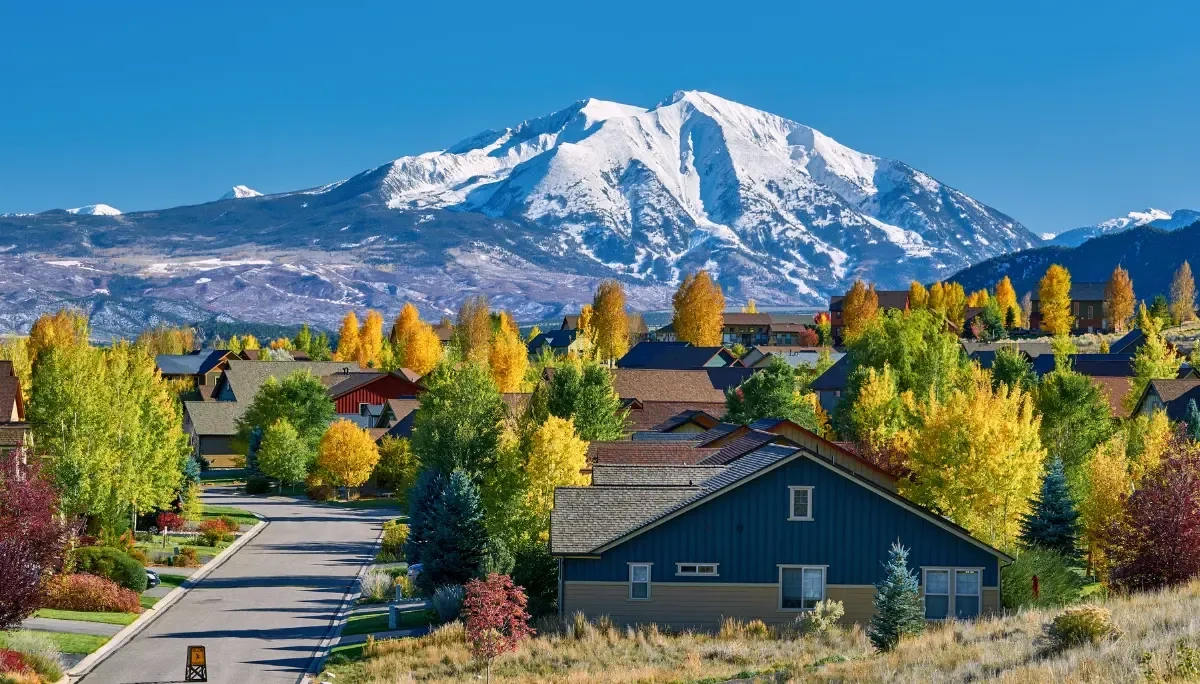
Though neither Colorado nor Utah is considered a traditional flood-prone state, both face unique flood risks due to geography and climate. In Colorado, heavy rainfall in mountainous areas can result in flash floods and river overflows. In Utah, monsoon storms and rapid snowmelt contribute to localized flooding.
According to FEMA, more than 25% of flood claims come from areas outside high-risk flood zones—a crucial point for residents in moderate-to-low-risk areas who may falsely assume they’re safe. As land development increases and climate patterns shift, even homeowners outside mapped flood zones must consider the potential cost of rebuilding without insurance.
Keywords: unexpected flood damage, flood risk inland, Colorado flash floods, Utah monsoon season, flood insurance inland states
What Homeowners Insurance Does—and Does Not—Cover
Many homeowners mistakenly believe that their standard home insurance policy protects against flood-related damage. However, typical homeowners insurance excludes flood damage from external sources, such as rising water, mudflows, and storm surges.
This exclusion means homeowners must purchase a separate flood insurance policy—either through the NFIP or a private carrier—to ensure full protection.
Covered by Flood Insurance:
Structural damage to your home’s foundation, walls, and systems
Detached garages (up to 10% of dwelling coverage)
Personal belongings like furniture and electronics (if coverage is selected)
Appliances, heating, and cooling systems
Cleanup and debris removal
Not Covered:
Landscaping or decks
Currency or precious metals
Temporary living expenses
Mold/mildew damage caused by homeowner neglect
Keywords: does home insurance cover floods, excluded perils, separate flood policy, what flood insurance covers
Understanding Flood Zones and FEMA Maps
FEMA’s flood zone maps classify areas by risk level—from high-risk zones (Special Flood Hazard Areas or SFHAs) to low- and moderate-risk zones. Mortgage lenders typically require flood insurance in high-risk zones, while it remains optional elsewhere.
Colorado and Utah communities participate in FEMA’s Community Rating System (CRS), which can reduce premiums for policyholders if local governments take proactive floodplain management steps. However, flood maps change regularly, so homeowners should check their zone status annually.
You can view your flood zone using theFEMA Flood Map Service Center.
Keywords: FEMA flood zones, flood zone risk Colorado Utah, flood map lookup, do I live in a flood zone
National Flood Insurance Program (NFIP) Basics
The NFIP, managed by FEMA, is the most widely used source of flood insurance coverage in the U.S. It’s available to homeowners, renters, and business owners in participating communities—which include most municipalities in Colorado and Utah.
Key NFIP Features:
Maximum coverage: $250,000 for buildings; $100,000 for contents
Waiting period: 30 days from purchase to coverage start
Standardized rates: Based on flood zone, structure, and elevation—not insurance company
Required for mortgages: In high-risk flood areas if federally backed
NFIP policies are sold through participating insurers, including Alink Insurance.
Keywords: NFIP Utah, NFIP Colorado, FEMA insurance, federal flood insurance, waiting period flood policy
Private Flood Insurance: When It’s a Better Fit
In recent years, private flood insurance has become an attractive alternative to NFIP for some homeowners. These policies are offered by licensed insurance carriers and often provide:
Higher coverage limits
Shorter waiting periods
Coverage for temporary housing
Competitive pricing (especially in low-risk areas)
However, private flood policies may be subject to underwriting requirements and are not always accepted by mortgage lenders, particularly in high-risk zones. A licensed agent can help assess whether private or NFIP coverage is better for your situation.
Keywords: private flood insurance, flood insurance alternatives, higher flood coverage limits, flood policy with living expenses
Real Costs: How Much Does Flood Insurance in Colorado and Utah Cost?
Flood insurance premiums vary widely based on location, property type, elevation, and flood zone classification. In general:
Low-risk zone: Policies may start at $350–$500/year
Moderate-risk zone: $500–$800/year
High-risk zone: $1,000–$3,000+/year
The rollout of FEMA’s Risk Rating 2.0 program is modernizing how premiums are calculated. It uses property-specific data like distance to water, building replacement cost, and historical flood frequency—providing fairer pricing but potential premium increases for some homeowners.
A licensed agent at Alink Insurance can provide a personalized quote and check for any available community discounts.
Keywords: flood insurance cost Colorado, Utah flood insurance rates, Risk Rating 2.0, personalized flood premium
How to Evaluate If You Need Flood Insurance
Not everyone is required to buy flood insurance—but everyone is at some level of risk. Homeowners should consider:
FEMA zone designation
Local floodplain history
Proximity to rivers, lakes, or drainage systems
Basement presence (prone to water damage)
Elevation relative to surroundings
Past weather patterns (snowmelt, rainfall trends)
Even without a lender requirement, flood insurance can provide critical financial protection against loss. The average flood claim exceeds $30,000, and just one inch of water can cause significant damage.
Keywords: do I need flood insurance, should I get flood coverage, flood exposure Utah Colorado, floodplain risk
How to Buy Flood Insurance in Colorado and Utah
Purchasing flood insurance involves the following steps:
Contact a licensed agent like Alink Insurance
Determine your zone and potential coverage needs
Compare NFIP vs. private options
Apply for coverage early to account for the 30-day waiting period
Reassess annually based on zone changes or property improvements
Our agents work with both NFIP and private carriers to provide a tailored, cost-effective flood insurance solution.
Keywords: how to get flood insurance, flood policy application, flood insurance quote, flood insurance agent Colorado Utah
Additional Risk Reduction Strategies
Insurance is just one part of a comprehensive flood protection plan. Homeowners should also consider:
Installing sump pumps and backflow valves
Elevating HVAC and electrical systems
Landscaping to redirect runoff
Storing valuables in elevated areas
Creating a flood response plan
Some mitigation steps may qualify homeowners for insurance discounts, especially in CRS-participating communities.
Keywords: flood mitigation, reduce flood risk home, sump pump flood, home flood protection steps
Clarity and Protection Start with Informed Choices
For Colorado and Utah homeowners, flood insurance isn’t just a box to check—it’s a strategic layer of protection in a changing environment. Whether you’re in a mapped flood zone or not, understanding your real risk and insurance options empowers you to safeguard your property and long-term financial stability.
Alink Insurance is here to guide you with expertise, clarity, and personalized recommendations.
Frequently Asked Questions (FAQs)
Is flood insurance required in Colorado or Utah?
Flood insurance is only required if your property is located in a high-risk FEMA flood zone and you have a federally backed mortgage. However, it’s strongly recommended even in low-risk areas.
What is the waiting period for a new flood insurance policy?
Most NFIP policies have a 30-day waiting period before coverage begins, unless the policy is required by a lender. Some private insurers may offer shorter waiting periods.
Can I get flood insurance if I’m not in a flood zone?
Yes. Flood insurance is available to all homeowners, and premiums are often more affordable in lower-risk areas.
Does flood insurance cover basement flooding?
Yes, but with limitations. Coverage typically includes structural components and essential systems (like furnaces or water heaters), but not finished surfaces or personal belongings stored in the basement.
What is Risk Rating 2.0?
Risk Rating 2.0 is FEMA’s updated pricing model for NFIP policies. It uses more detailed, property-specific data to more accurately determine flood insurance premiums.