If a kitchen fire or a break-in wiped out everything in your apartment tomorrow, would you have the money to replace it all at once? Renters insurance protects your belongings, your liability, and your living expenses if disaster strikes your rental, and it does not depend on your landlord’s policy at all. ALINK is an independent agency that shops renters insurance across multiple carriers so Colorado tenants get the right coverage, not a one-size-fits-all product.
What Does Renters Insurance Actually Cover in Colorado?
Renters insurance covers three core things: your personal belongings, your personal liability, and your living costs if your rental becomes unlivable after a covered loss. It does not cover the building itself, because that is your landlord’s responsibility.
Here is a common and costly misunderstanding. Your landlord’s insurance protects the structure, the walls, the roof, and the plumbing. That policy does absolutely nothing for your couch, your laptop, your clothes, or your bike in the garage. If a pipe bursts and ruins your electronics, the landlord’s policy will not write you a check.
The three pieces of a renters policy break down like this:
- Personal property coverage: pays to repair or replace your belongings after a covered event like fire, theft, vandalism, or certain water damage.
- Personal liability coverage: helps pay if you are legally responsible for injuring someone or damaging their property.
- Loss of use coverage: covers hotel bills, extra meals, and other living costs if a covered loss forces you out of your unit temporarily.
One honest note worth flagging: standard renters policies do not cover flood or earthquake damage. These require separate policies. If you’re renting near a floodplain or a creek along the Front Range, ask about that gap before you assume you are protected. This is a key point for anyone comparing apartment insurance Colorado options, since not all perils are covered under one policy.
What Colorado-Specific Risks Make Renters Insurance Essential?
Colorado tenants face real, localized risks that make renters insurance a practical decision, not a theoretical one. Hail, wildfire, and theft are the three that show up most often for renters in Colorado Springs, Parker, Monument, and Castle Rock.
Colorado sits squarely in what the insurance industry calls “Hail Alley,” the region where Colorado, Nebraska, and Wyoming meet. The state consistently ranks among the top in the country for hail loss claims, according to the Rocky Mountain Insurance Information Association. While hail mostly damages roofs and vehicles, the same severe storms can bring wind, water intrusion, and power surges that can ruin electronics and furnishings inside a rental.
Wildfire is another Front Range reality. Large stretches of El Paso and Douglas counties sit in the wildland-urban interface, where homes and rentals sit close to open space and foothill vegetation. The Colorado State Forest Service maps these risk zones across the state. Renters in communities near Monument and the western edges of Colorado Springs live within that risk area, which is why renters insurance Monument Colorado inquiries often come from tenants near open space.
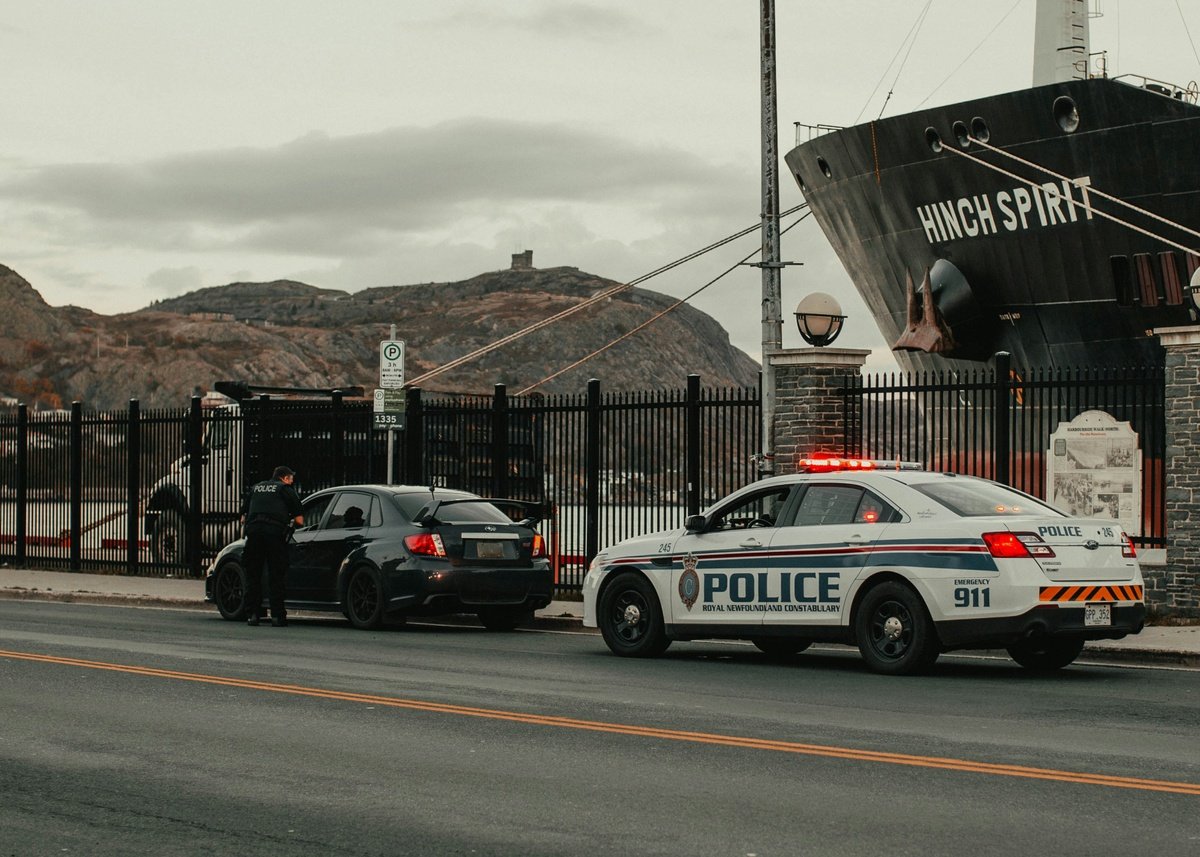
Then there is everyday theft. Apartment complexes and townhome communities in Aurora, Parker, and Castle Rock see package thefts, vehicle break-ins, and burglaries like any growing metro area. Renters insurance often covers your belongings even when they are stolen from your car or a storage unit, which surprises a lot of tenants. Tenants searching for renters insurance in Castle Rock Colorado are frequently reacting to exactly this kind of loss.
How Much Does Renters Insurance Cost in Colorado Springs and Parker?
Renter’s insurance in Colorado is typically one of the least expensive coverages you will ever buy, often costing a small fraction of what auto or home insurance runs. Your exact rate depends on a handful of variables, so the smartest move is to compare quotes from multiple carriers rather than guess. If you are asking how much renters insurance is in Colorado, the honest answer is that it varies depending on your coverage choices and location.
Several factors can move your premium up or down:
- Consider how much personal property coverage you choose, since more belongings means more coverage.
- Your deductible, meaning the amount you pay out of pocket before coverage kicks in.
- Whether you pick actual cash value or replacement cost coverage.
- Your location, since a unit in a high-hail or higher-crime area can carry different pricing.
- Any bundling discounts you qualify for by pairing renters with auto insurance, though discounts vary by carrier and individual profile.
Actual cash value pays what your five-year-old TV is worth today, after depreciation. Replacement cost pays what a comparable new TV would cost. Paying a little more up front for replacement cost is almost always worth it at claim time.
Because ALINK is an independent agency, we do not push a single company’s rates, and our advisors do not represent just one insurer. We compare quotes from several carriers to find the right fit for your situation, which is what many tenants looking for cheap renters insurance in Colorado Springs or the best renters insurance in Colorado need. For a real number that reflects your specific apartment and belongings, the honest answer is to request a quote so we can shop it for you.
How Much Personal Property Coverage Do Colorado Renters Actually Need?
You need enough personal property coverage to replace everything you own at today’s prices, which is almost always more than a renter’s first estimate. The best way to land on an accurate number is a simple home inventory.
Walking through your rental, room by room, takes about an hour and gives you a defensible figure. Here is a framework you can use right now:
- Start in one room and photograph or video everything, including inside closets and drawers.
- List big-ticket items first: furniture, TVs, computers, appliances you own, and jewelry.
- Add to the categories people forget: clothing, kitchenware, tools, sporting gear, and bikes.
- Note approximate replacement costs for major items, not what you originally paid.
- Save the file and photos somewhere off-site, like cloud storage or email.
Many renters are stunned by the total once they add up a full closet of clothing and a kitchen’s worth of small appliances. Under-insuring is the most common mistake we see, and it only becomes obvious after a fire or theft when the payout falls short.
A documented inventory also speeds up your claim dramatically. For a deeper walkthrough, our guide on why a home inventory is worth doing breaks the process down further. Keep it updated whenever you make a major purchase.
Why Do So Many Colorado Renters Overlook Liability Protection?
Liability coverage protects you financially if you are held responsible for someone else’s injury or property damage, and it is the part of a renters policy tenants understand the least. Your protection follows you beyond your four walls in many situations.
Picture a few everyday scenarios in a Colorado Springs or Parker rental:
- A guest slips on your icy front steps in January and needs medical care.
- Your dog bites someone at the community park.
- You leave the bathtub running and the overflow damages the unit below yours.
- A kitchen fire you accidentally cause spreads to a neighbor’s belongings.
In each case, your liability coverage can help pay for medical bills, repairs, or legal defense up to your policy limit. Without it, that money comes straight out of your pocket. This is why tenant insurance Colorado is about far more than just replacing your belongings.
Standard liability limits work for many renters, but higher-value assets or higher-risk situations sometimes call for more protection. If your liability exposure is greater than a base policy can handle, an umbrella policy that extends your liability limits sits on top of your renters and auto coverage for broader protection. Ask whether one makes sense to you.
Can Colorado Renters Bundle Renters and Auto Insurance for a Better Rate?
Yes. Bundling renters and auto insurance through one agency often lowers your total premium and simplifies your policies into one relationship, though discounts vary by carrier and individual profile. Bundling is one of the easiest ways for a tenant to save without cutting coverage.
Because ALINK compares multiple carriers, we can look at which company gives you the strongest combined value when you pair renters with your auto insurance coverage rather than locking you into whatever one insurer happens to offer. That independent-agency advantage matters most when you have more than one policy to manage.
Bundling also opens a longer relationship that grows with you. Many of the renters we work with in Parker and Colorado Springs will buy a home within a few years, and renters insurance is a natural first step toward a homeowners policy down the road. When you are ready to buy, having a local advisor who already knows your situation makes the transition into homeowners coverage far smoother.
Do Colorado Renters Legally Have to Carry Renters Insurance?
Renters insurance is not mandated by Colorado law statewide, but many landlords require it as a condition of the lease. Before you sign, read your lease carefully to understand your specific Colorado renters insurance requirements, since a property manager can set a minimum liability limit even when the state does not.
Even when no lease requires it, this coverage protects assets that would otherwise be entirely your responsibility after a fire, theft, or liability claim. Tenants researching renters insurance in Colorado Springs or renters insurance in Parker Colorado often discover that their building already requires proof of a policy before move-in.
How Do You Get Renters Insurance in Colorado Springs, Parker, or Nearby Communities?
Getting renters insurance in Colorado is quick and only requires a few pieces of information to get started. Have your rental address, a rough estimate of your belongings from your home inventory, your move-in date, and any bundling interest ready when you reach out.
The ALINK process is straightforward. You tell us about your rental and your belongings, we compare quotes from multiple carriers, and we walk you through the coverage options in plain English so you understand exactly what you are buying. You are under no obligation to gather quotes, and no single company is dictating your options.
Whether you are renting an apartment near downtown Colorado Springs or a townhome in Parker, our local advisors know these communities because we have served Colorado families since 1959. That local knowledge is your link to security as a tenant, and it becomes even more valuable as your life changes.
Ready to protect what you own? Contact LINK at 877.643.6148 or reach out to a local advisor to find your link to secure and compare renters insurance options across multiple carriers. We will handle the shopping so you can focus on living in your home.
Frequently Asked Questions
Is renters insurance required in Colorado?
Colorado does not require renters insurance by state law, but many landlords and property managers make it a condition of the lease. Your lease may set a minimum liability limit and ask for proof of coverage before you move in, so read it carefully. Even when no one requires it, renters insurance protects belongings and liability that would otherwise be entirely your responsibility. Checking your lease terms before signing is the best way to know your specific obligations.
How much does renters insurance cost in Colorado Springs?
Renter’s insurance is typically one of the most affordable coverages you can buy, usually costing a small fraction of what auto or home insurance runs. Your exact rate depends on how much personal property coverage you choose, your deductible, whether you pick actual cash value or replacement cost, and your location. Units in higher-hail or higher-crime areas can be priced differently. Because pricing varies so much by individual profile, the most accurate way to get a real number is to request a quote and compare carriers.
What does renters insurance cover in Colorado?
A standard renters policy covers three core things: your personal belongings, your personal liability, and your living expenses if a covered loss makes your rental temporarily unlivable. Personal property coverage helps repair or replace items after events like fire, theft, vandalism, or certain types of water damage. Liability coverage helps if you are legally responsible for injuring someone or damaging their property. Keep in mind that flood and earthquake damage are not included and require separate policies.
Does my landlord’s insurance cover my belongings in Colorado?
No. Your landlord’s insurance covers the building structure, including the walls, roof, and plumbing, but it does nothing for your personal belongings. If a pipe bursts and ruins your electronics or a fire destroys your furniture, the landlord’s policy will not reimburse you. Renter’s insurance is the only way to protect items like your laptop, clothing, furniture, and bike. This is one of the most common and costly misunderstandings tenants have.
Does renters insurance cover my car in Colorado?
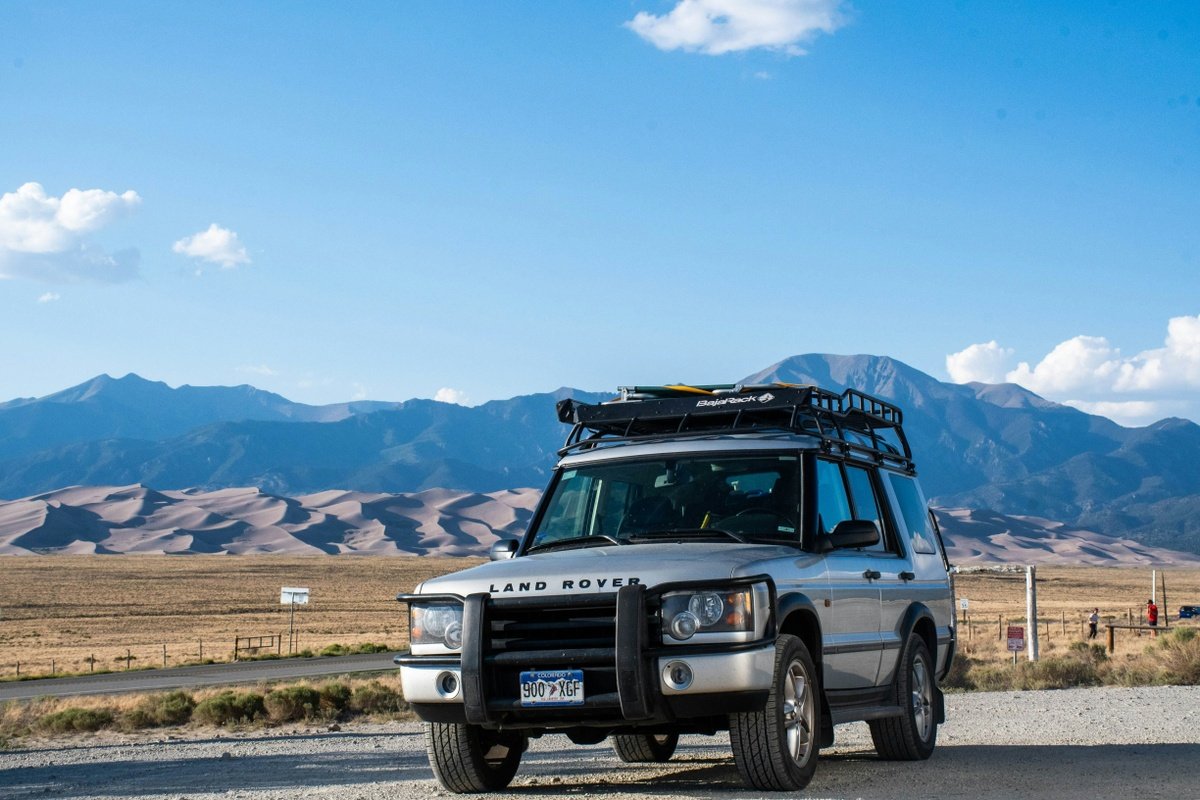
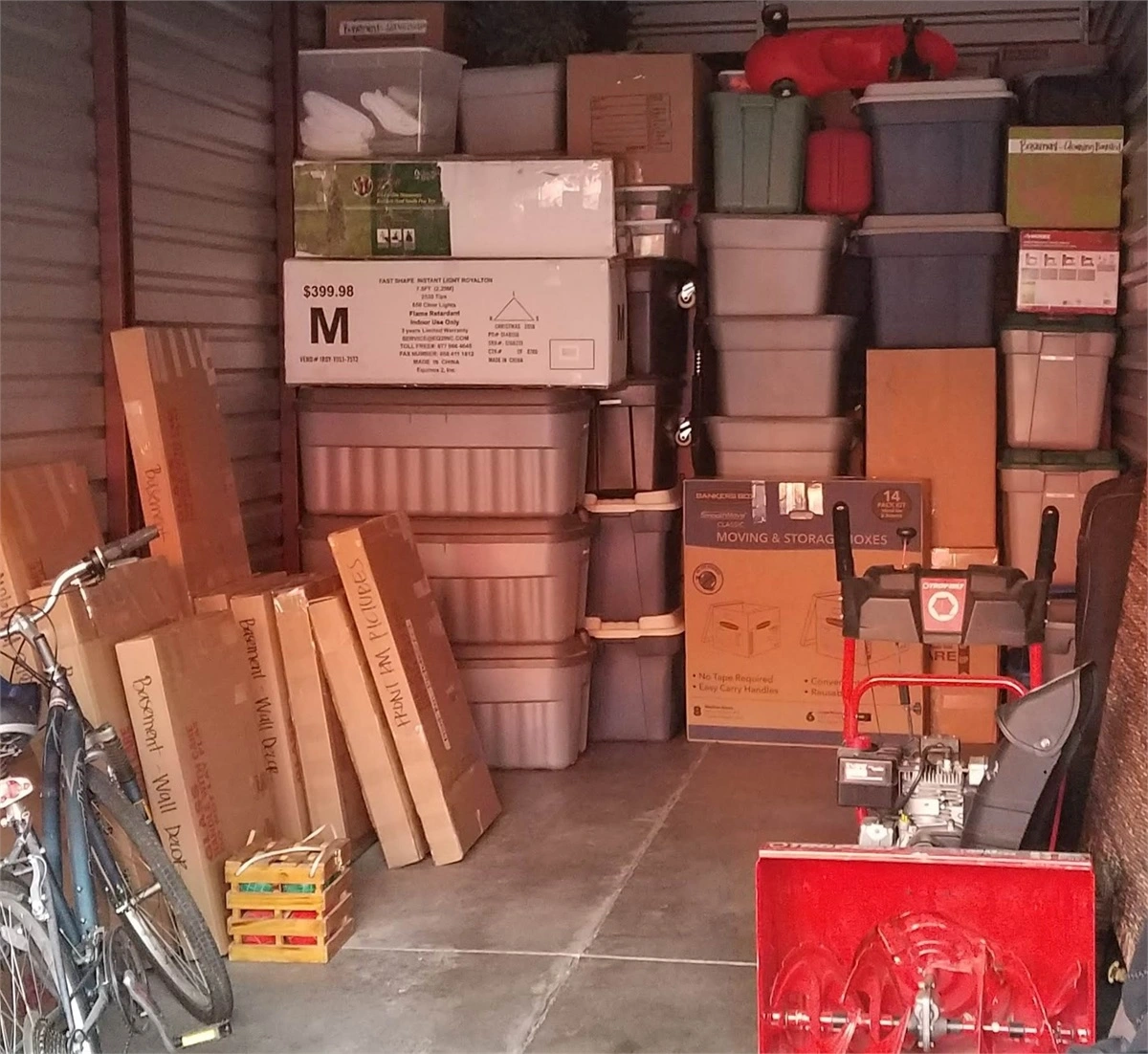
Renter’s insurance does not cover damage to your vehicle itself, since that falls under your auto insurance policy. However, it often covers personal belongings that are stolen from your car, such as a laptop or bag left inside. Coverage can also extend to items taken from a storage unit, which surprises many tenants. For damage to your vehicle, you would rely on your auto coverage, which you can often bundle with renters for savings.
How do I file a renters insurance claim in Colorado?
Start by documenting the loss with photos and a list of affected items, then contact your insurer or your ALINK advisor to begin the process. Having a home inventory prepared ahead of time speeds things up dramatically, since it gives you a defensible record of what you owned and its replacement value. Keep any receipts, police reports for theft, and records of temporary living expenses if you were displaced. Your advisor can walk you through each step in plain language so you know what to expect.
Can I bundle renters and auto insurance in Colorado to save money?
Yes, bundling renters and auto insurance often lowers your total premium and simplifies your policies into one relationship, though discounts vary by carrier and individual profile. Because ALINK is an independent agency, we compare multiple carriers to find which company offers the strongest combined value rather than locking you into one insurer. Bundling also sets up a longer-term relationship that can grow with you, especially if you plan to buy a home later. Ask an advisor to compare bundled options so you save without cutting coverage.