
Emergency Basics
Every emergency plan starts with the same basics. A family communication plan, an emergency kit, and a few practiced steps give you a stronger foundation no matter what kind of disaster you face.
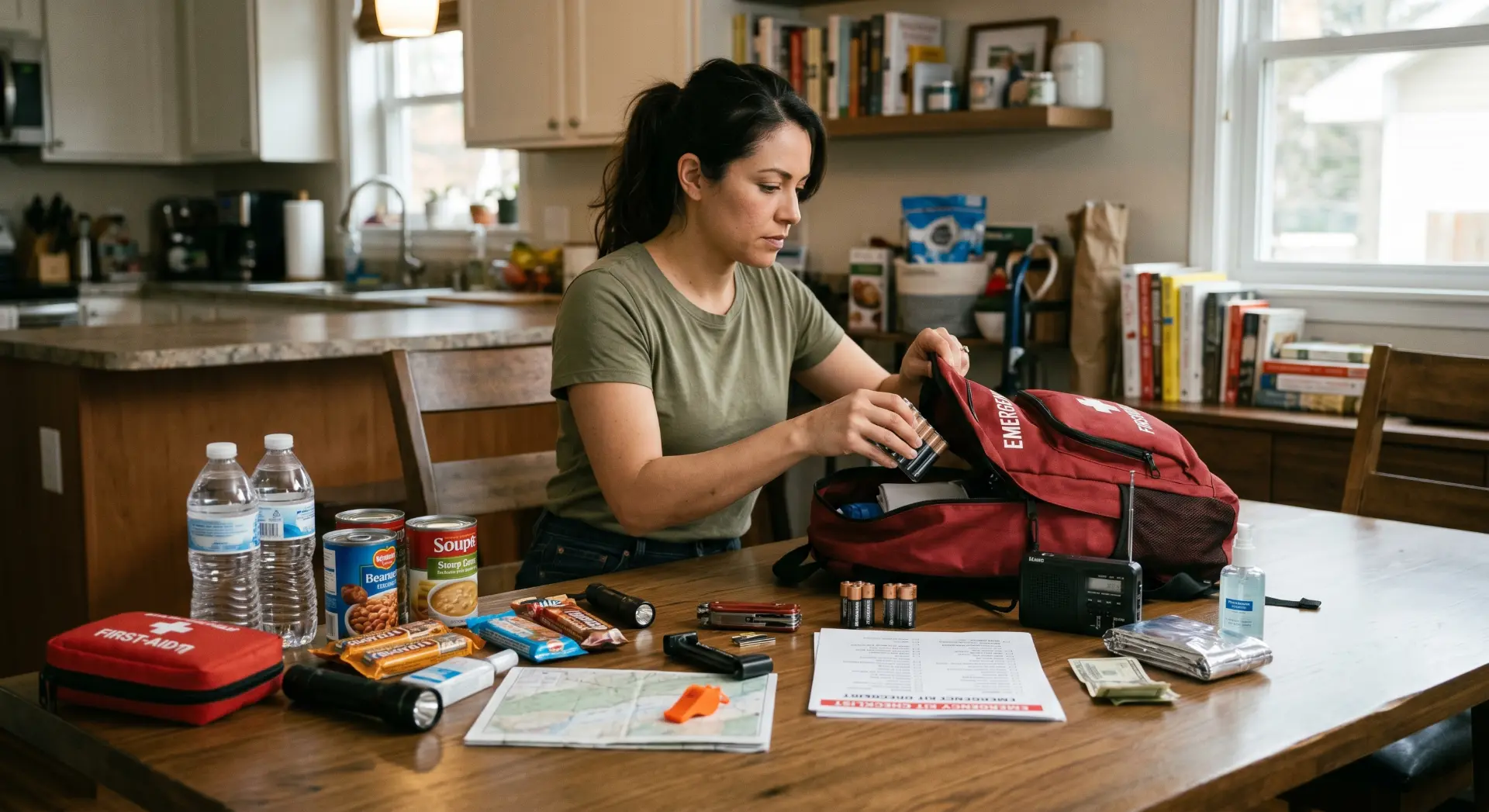
Basic Emergency Supply Kit
- Water, one gallon of water per person per day for three days (both drinking and sanitation)
- Food, three-day supply, non-perishable
- Battery or hand crank radio and a NOAA Weather Radio with tone alert and extra batteries
- Flashlights and extra batteries
- First aid kit
- Whistle
- Dust mask, plastic sheeting and duct tape to shelter-in-place
- Moist towelettes, garbage bags, plastic ties (personal sanitation)
- Wrench or pliers to turn off utilities
- Manual can opener for food
- Local paper maps
- Cell phone with chargers, inverter or solar charger
Other useful links:
Download & Print the FEMA Emergency Supply List
Family Communication Plan
- Your family may not be together, plan how you will contact one another.
- Create a contact card for all family members and keep them in a wallet, purse, backpack, briefcase, etc.
- Check emergency plans with your children’s day care or school.
- Identify a non-local friend or relative household members can notify when they are safe, they may be in a better position to communicate between
separated families. - If you have a cell phone, program that person(s) as “ICE” (In Case of Emergency) in your phone. If you are in an accident, emergency personnel will
often check your ICE listings in order to get a hold of someone you know. - Text messages can often get around network disruptions when a phone call might not be able to get through.
Other useful links:
Many communities now have systems that will send instant text alerts or e-mails to let you know about bad weather, road closings, local emergencies, etc. Sign up by visiting your local Office of Emergency Management web site.