A single hailstorm, injured customer, or crash in a work truck can put years of hard work at risk. Small business insurance in Colorado Springs usually starts with general liability, commercial property, workers’ compensation and commercial auto, then adds coverage matched to your industry and growth stage. ALINK’s independent advisors help local owners compare commercial insurance options from multiple carriers.
Why Do Colorado Springs Small Businesses Face Unique Insurance Challenges?
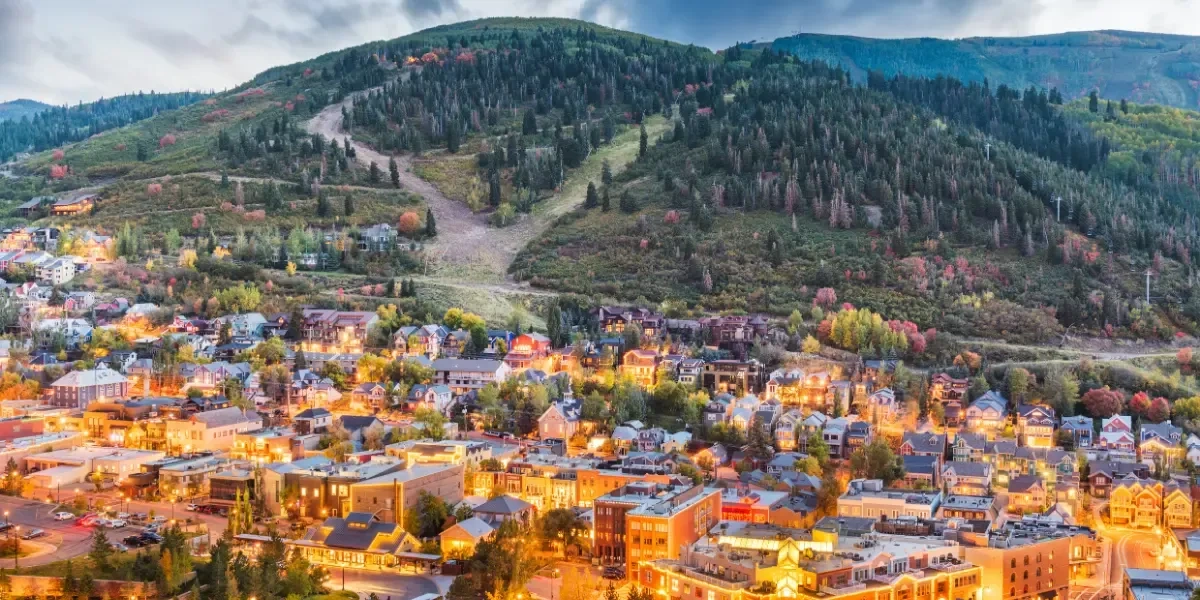
Colorado Springs businesses face a mix of risks that generic, national policies often miss: hail and high wind, wildfire exposure near the foothills, and work that stretches across several communities along I-25. The right coverage starts with those local conditions, not a one-size-fits-all template.
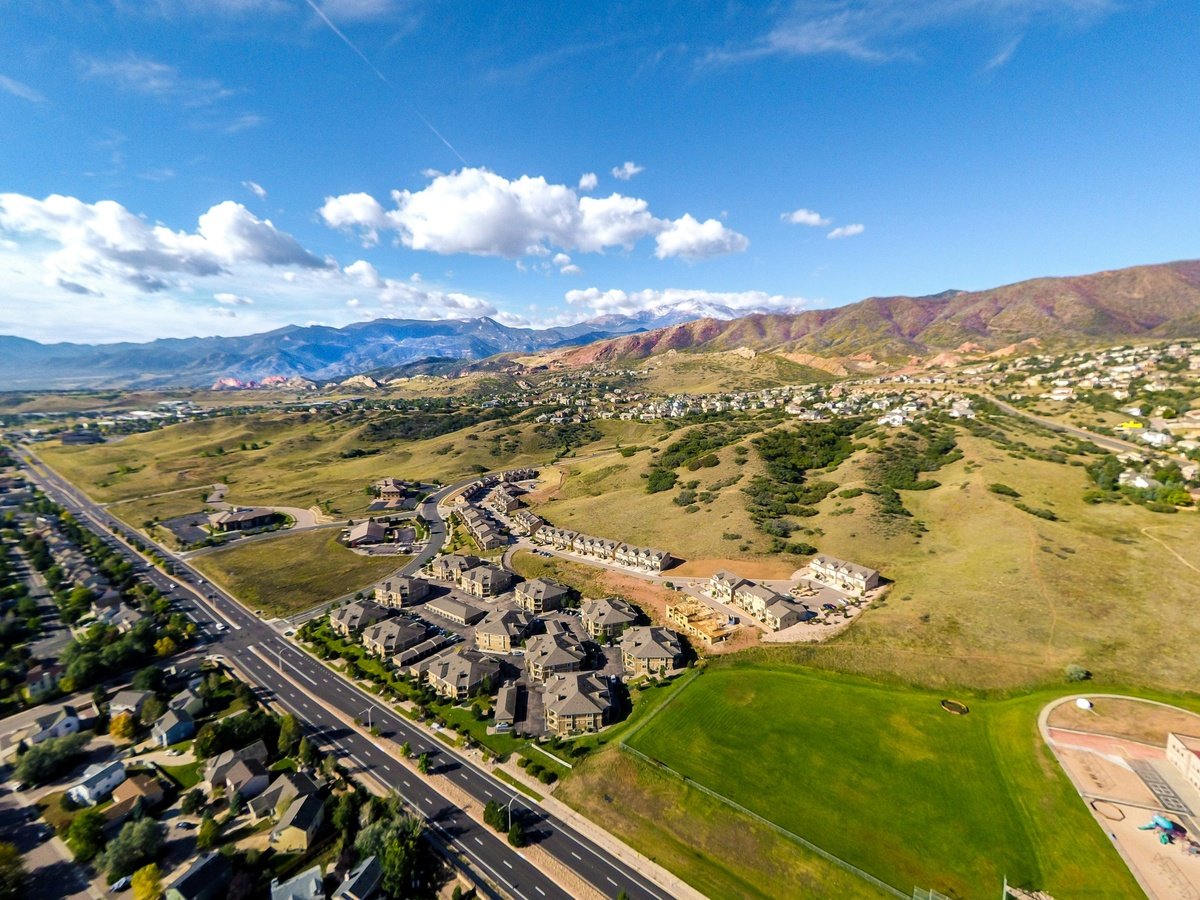
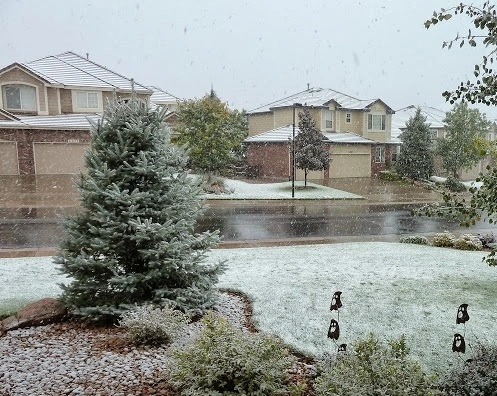
Colorado Springs sits at more than 6,000 feet on the eastern edge of the Rockies, and the Front Range is well known for hail and strong wind, especially in spring and summer. Storms roll off the mountains quickly. A roof, storefront, company vehicle or outdoor inventory can take the hit before anyone has time to react.
Wildfire is part of local memory too. The Waldo Canyon Fire in 2012 and the Black Forest Fire in 2013 both struck El Paso County, and many businesses operate in or near wooded areas around Black Forest, Monument and the city’s western edge. If your building, equipment or customers sit in those areas, structure your property coverage with that exposure in mind.
The local economy adds another layer. El Paso County is home to Fort Carson, Peterson and Schriever Space Force Bases and the U.S. Air Force Academy, along with defense contractors, healthcare providers, tourism businesses, construction trades and a steady stream of new retail and service shops. A roofing crew, a bookkeeping firm and a coffee shop face completely different exposures, even on the same street.
Many owners also work well beyond city limits. A Colorado Springs contractor with jobs in Monument, Castle Rock and Aurora in the same month faces more driving, more job sites and more contract requirements than a business serving one neighborhood. Good commercial insurance El Paso County businesses rely on accounts for all of it.
Which Core Policies Should Small Business Insurance in Colorado Springs Include?
Most small businesses in Colorado Springs build their coverage on four foundations: general liability, commercial property, workers’ compensation and commercial auto. Not every business needs all four, but each one addresses a common, costly type of loss.
General Liability
General liability helps pay for injuries or property damage your business causes to other people, along with related legal defense. Landlords, clients and general contractors often ask to see this policy first.
Imagine a customer slips on a snowy entryway at your shop off Academy Boulevard, or a painter accidentally damages a client’s hardwood floors in Briargate. General liability Colorado Springs businesses carry is built for situations like these, though exactly what is covered depends on your policy wording and carrier. If a serious claim exceeds your liability limits, a commercial umbrella policy adds another layer of liability protection on top of your underlying policies.
Commercial Property
Commercial property insurance protects the physical things your business owns: your building if you own it, plus equipment, furniture, inventory and improvements you have made to a leased space. On the Front Range, confirm how your policy handles hail, wind and fire, and what deductibles apply to each.
For example, a boutique that renovated a leased storefront would want the buildout, not just the inventory, reflected in its coverage. A common mistake is leaving limits where they were set years ago, long after the cost to replace equipment has changed.
Workers’ Compensation
Workers’ compensation helps pay medical bills and lost wages when an employee is hurt on the job. Colorado generally requires employers to carry workers’ comp once they have employees, including part-time workers, with limited exceptions. The Colorado Division of Workers’ Compensation is the official source for current rules and exemptions.
For many owners, workers compensation insurance Colorado Springs employers carry becomes a priority the moment they hire their first helper. Waiting until after an injury to sort it out is an expensive mistake.
Commercial Auto
Commercial auto insurance covers vehicles your business owns or uses for work. Personal auto policies commonly limit or exclude business use, so a landscaper hauling a trailer on Powers Boulevard or a caterer delivering to Castle Rock needs to confirm the work is properly insured.
Colorado requires auto liability insurance on vehicles driven on public roads, and business contracts often set their own insurance requirements, so review yours before signing. Commercial auto insurance Colorado Springs trades and delivery businesses carry is especially important for owners who spend a lot of time on I-25 and in winter conditions. For more on keeping your business auto coverage current, see Is Your Business Auto Up to Date?
Is a Business Owners Policy (BOP) Enough for Your Colorado Springs Business?
A business owners policy is enough for some small, lower-risk operations, but it is rarely the complete answer for businesses with employees, vehicles, professional advice or specialized equipment. Think of a BOP as a strong starting point, then check what it leaves out.
A BOP typically bundles general liability and commercial property into one package. Many also include business income coverage, which helps replace lost income if a covered loss forces you to close temporarily. Carriers design BOPs for small businesses with fairly predictable risks, such as small offices, retail shops and some service businesses.
What a BOP leaves out matters just as much as what it includes. BOPs generally do not include:
- Workers’ compensation, which is a separate policy
- Commercial auto for owned business vehicles
- Professional liability for errors in advice or services
- Cyber coverage, unless added by endorsement
- Specialized coverage for tools and equipment that travel to job sites
To decide whether a business owners policy Colorado Springs owners commonly start with fits your operation, ask yourself:
- Does my business give advice, design work or professional services?
- Do I or my employees drive for work?
- Do I store customer data or take payments online?
- Do my tools or equipment regularly leave my building?
- Would a contract or lease require coverage a BOP does not provide?
If you answered yes to any of these, a BOP alone likely leaves gaps. An independent advisor can show you which endorsements or separate policies fill them.
What Coverage Gaps Do Colorado Springs Businesses Commonly Overlook?
The most commonly overlooked gaps depend on the type of business: trades tend to miss equipment and vehicle coverage, service professionals tend to miss professional liability and cyber, and retailers tend to underestimate business interruption. None of these apply to every business, but all deserve a conversation with your advisor.
Trades and Contractors
If you work in construction, landscaping, HVAC, plumbing or electrical, your tools and equipment are your livelihood. Inland marine coverage, which protects business property that moves between locations, helps protect tools and equipment in your truck or at a job site. Standard property coverage often focuses on items at your main location.
Also ask about:
- Hired and non-owned auto coverage, which helps protect your business from liability when employees drive rented vehicles or their own cars for work
- Coverage for subcontractors, and whether you collect their certificates of insurance
- Contract requirements from general contractors, including additional insured requirements
Service Professionals
Accountants, consultants, real estate professionals, IT providers and similar businesses face risks that general liability usually does not address. Errors and omissions (E&O) insurance, also called professional liability, covers claims that your advice or work caused a client financial harm.
Two other coverages come up often for this group:
- Cyber liability, which helps with costs after a data breach or ransomware attack
- Employment practices liability (EPLI), which covers claims such as wrongful termination, discrimination or harassment from employees
Retail Shops and Restaurants
Retailers and food businesses depend on staying open. Imagine a hailstorm damages your roof and forces you to close for repairs during a busy season. Business income coverage helps replace lost income while you rebuild, but the waiting period and how long it pays depend on your policy.
Also consider:
- Equipment breakdown coverage for coolers, ovens and point-of-sale systems
- Spoilage coverage for perishable inventory
- Products liability if you sell items you make or import
- Crime coverage for employee theft or stolen cash
Colorado small business coverage works best when it reflects what you actually do, not just your business category.
When Should You Review Your Business Insurance as Your Business Grows?
Review your business insurance at every renewal and any time your business changes in a meaningful way, such as hiring, buying vehicles, signing a new lease, taking on bigger contracts or expanding into new areas. Coverage that fit last year can fall behind quickly.
These growth moments should prompt a call to your advisor:
- Hiring your first employee. This typically triggers workers’ compensation requirements and raises new questions about employment practices.
- Buying or leasing a work vehicle. Your personal auto policy often will not cover it properly.
- Signing a new or larger lease. Landlords commonly set specific insurance requirements in the lease itself.
- Landing a bigger contract. Commercial clients and government contractors often require specific coverage and certificates before work begins.
- Expanding your service area. Taking on regular work in Monument, Castle Rock or farther up I-25 adds driving time and new job sites.
- Adding equipment or inventory. Your property limits should keep pace with what you own.
- Moving online. Accepting online payments or storing customer information raises cyber exposure.
- Opening a second location. Each location needs to be listed and properly covered.
Growth also affects how your policies are rated. Workers’ compensation premiums are generally based on payroll, and many general liability policies are rated on payroll or revenue, so carriers commonly audit these figures after the policy period ends. Keeping your advisor updated as you grow helps you avoid surprises at audit time.
Whether you are comparing business insurance Monument CO options for a home-based operation or you manage a growing crew in Colorado Springs, ALINK’s local team is glad to talk through what has changed.
Why Work With an Independent Business Insurance Advisor in Colorado Springs?
An independent business insurance advisor compares policies from multiple insurance companies, while a captive agent represents one company’s products. For commercial insurance, that choice matters because carriers differ in which industries they write, which endorsements they offer and how they handle specialized risks.
Captive agents do valuable work, and many businesses are well served by them. The practical difference is range. A commercial insurance independent agent Colorado Springs owners work with can look at how several carriers approach a roofing contractor, a dental office or a craft brewery, then help you weigh coverage and value side by side. Availability still depends on each carrier’s underwriting guidelines, so not every risk fits every company. For more on how independent agents work, see What Is an Agent?
ALINK has worked as an independent insurance agency since 1959, with local offices in Colorado Springs and Parker serving El Paso County, Monument, Castle Rock, Aurora and the wider Front Range. The Parker office is convenient for owners comparing business insurance Castle Rock Colorado options and coverage across Douglas County, while the Colorado Springs office serves El Paso County and the surrounding area.
Working with a full-service agency also lets you coordinate business and personal coverage in one relationship. ALINK handles commercial, auto, home, umbrella, RV and life insurance, along with financial services. Business and personal risks often overlap: many owners run a home office, your personal umbrella adds liability protection for your household, and your business often depends on you personally.
Many owners also ask about protecting the business if something happens to them or a key partner. And when a claim happens, you have a local advisor who knows your policies and advocates on your behalf.
How Can You Tell Whether Your Colorado Springs Business Is Properly Covered?
The fastest way to spot gaps is to walk through a short checklist before you talk to an advisor. If you are unsure about any item below, flag it and bring it up at your next conversation or renewal.
- I know which policies I currently carry and when each one renews.
- My general liability limits meet the requirements in my lease and client contracts.
- My property coverage reflects my current equipment, inventory and improvements.
- I understand how my policy handles hail, wind and wildfire, including deductibles.
- I carry workers’ compensation for all employees, or I have confirmed any exemption with the state.
- Every vehicle used for business is properly insured, including employee-owned cars used for work.
- My tools and equipment are covered when they leave my building.
- I have considered professional liability if my business gives advice or services.
- I have considered cyber coverage if I store customer data or take online payments.
- I know how long business income coverage would support me after a covered loss.
- My personal umbrella, home and auto policies are coordinated with my business coverage.
- I have checked my coverage since my last major change in staff, revenue or location.
For general background on business insurance types, the U.S. Small Business Administration offers a helpful starting guide. The Colorado Division of Insurance also provides consumer resources for Colorado policyholders.
Your business is too important to leave to guesswork. Whether you are just starting out, growing fast or simply unsure your current coverage still fits, ALINK’s independent advisors in Colorado Springs and Parker compare options from multiple carriers and explain them in plain English. We have been helping Front Range owners since 1959 , and we are here for the long haul, reviewing your coverage at every renewal and every milestone as your needs change. Consider us Your Link to Security. Contact ALINK or call 877.643.6148 to talk with a local advisor about your commercial, auto, home, umbrella and life insurance options.
Frequently Asked Questions
What insurance does a small business in Colorado Springs legally need?
Colorado generally requires workers’ compensation once you have employees, including part-time workers, with limited exceptions. Any vehicle driven on public roads must also carry auto liability insurance, and business vehicles should be insured under a commercial auto policy. General liability usually isn’t required by state law, but landlords, lenders and clients often require it by contract. Some licensed professions and trades also have their own insurance or bonding rules, so confirm the details with the Colorado Division of Workers’ Compensation, the Colorado Division of Insurance or your licensing board.
How is a BOP different from buying general liability and property insurance separately?
A BOP packages general liability and commercial property into one policy and often includes business income coverage. This can simplify paperwork and may cost less for businesses that qualify. Buying the policies separately gives you more flexibility to set higher limits, customize terms or cover risks that fall outside a carrier’s BOP guidelines. Businesses with larger operations, unusual property or higher-hazard work often don’t qualify for a BOP at all. An advisor can compare both approaches for your operation.
Does my business insurance cover remote employees working from home?
It depends on the policy and the situation. Workers’ compensation can apply to injuries that happen while a remote employee is doing work tasks, but each claim depends on the facts and on state rules. Company laptops and equipment kept at an employee’s home may not be covered if your property policy focuses on your main location, and the employee’s homeowners policy often excludes business property. If remote workers live in another state or handle customer data on home networks, ask your advisor about workers’ comp in multiple states and about cyber coverage.
What types of businesses in Colorado Springs are hardest to insure?
Businesses with higher-hazard operations tend to have fewer carrier options. Examples include roofing and other high-exposure construction trades, businesses that serve alcohol, trucking operations and companies with property in wildfire-prone areas near the foothills. Cannabis businesses face an especially limited market because the industry is still illegal under federal law. A business with a history of claims may also find coverage harder to place. “Hard to insure” rarely means impossible, and an independent agent with access to multiple and specialty carriers can often find a workable option.
How often should I review my business insurance coverage?
Review your coverage at least once a year at renewal. You should also review it any time your business changes significantly, such as hiring, adding vehicles, signing a lease or winning a larger contract. Mid-year reviews help you keep limits in line with current replacement costs, payroll and revenue. This also reduces the chance of an unexpected bill after a premium audit. A quick call when something changes is much easier than finding a gap after a claim.
Can an independent agent really find better business insurance than going direct?
An independent agent can compare coverage from several carriers, which often leads to a better fit for your specific risks. “Better” doesn’t always mean the lowest price. It can mean broader coverage, endorsements that fit your industry, or a carrier that knows how to handle your type of business. Going direct can work well for simple operations. Still, one company’s products may not match a specialized or growing business. Any carrier’s availability also depends on its underwriting guidelines, so an agent’s value comes from knowing which companies are likely to fit.
Do home-based businesses in Colorado Springs need separate business insurance?
In most cases, yes. Homeowners and renters policies commonly limit or exclude business equipment, inventory and liability from business activities. If clients visit your home, you store products there or you use your vehicle for work, a personal policy likely leaves gaps. Options include a home business endorsement for very small operations, a BOP, or standalone general liability and professional liability, depending on what you do. An advisor can help coordinate your home, auto and in-home business insurance policies so they work together rather than overlap or leave holes.