Car insurance often extends liability to a travel trailer while it is hitched, but it usually does not cover damage to the trailer, its contents, or liability once unhitched. Details vary by carrier. Many RV owners find this gap only after something goes wrong, so before your first trip, review your auto policy alongside dedicated RV and motorhome insurance for towables.
What Does Car Insurance Cover When You Tow a Travel Trailer?
Auto liability typically reaches a travel trailer or fifth wheel only while it is attached to your truck or SUV. Damage to the trailer itself usually needs its own coverage.
What often transfers from your tow vehicle
- Liability while hitched. If your trailer sways on I-25 near Monument and clips another car, many auto policies treat the hitched trailer as part of the tow vehicle for liability, though this varies by carrier.
- Limits on trailer type. Some policies restrict which trailer types or sizes are included.
What usually does not transfer
- Physical damage to the trailer. Auto policies often leave a jackknife on a slick on-ramp, hail in your Parker driveway, theft from a storage lot, or a fire uncovered. Whether a dedicated RV policy responds depends on the cause and policy wording.
- Contents. Bedding, bikes, camping gear and electronics often fall outside an auto policy. Some homeowners policies offer limited off-premises coverage, with varying limits and conditions.
- Campsite liability. Once you unhitch, your auto policy generally no longer applies, so a guest tripping over your awning line becomes a different kind of claim.
Our overview of understanding auto insurance coverage explains each component before you add a trailer.
Do Motorhomes and Travel Trailers Need Different RV Insurance?
Yes. A motorhome generally needs its own policy because you drive it, while a towable often leans on your tow vehicle’s policy for some liability and needs separate coverage for everything else.
Motorized RVs (Class A, Class B, Class C)
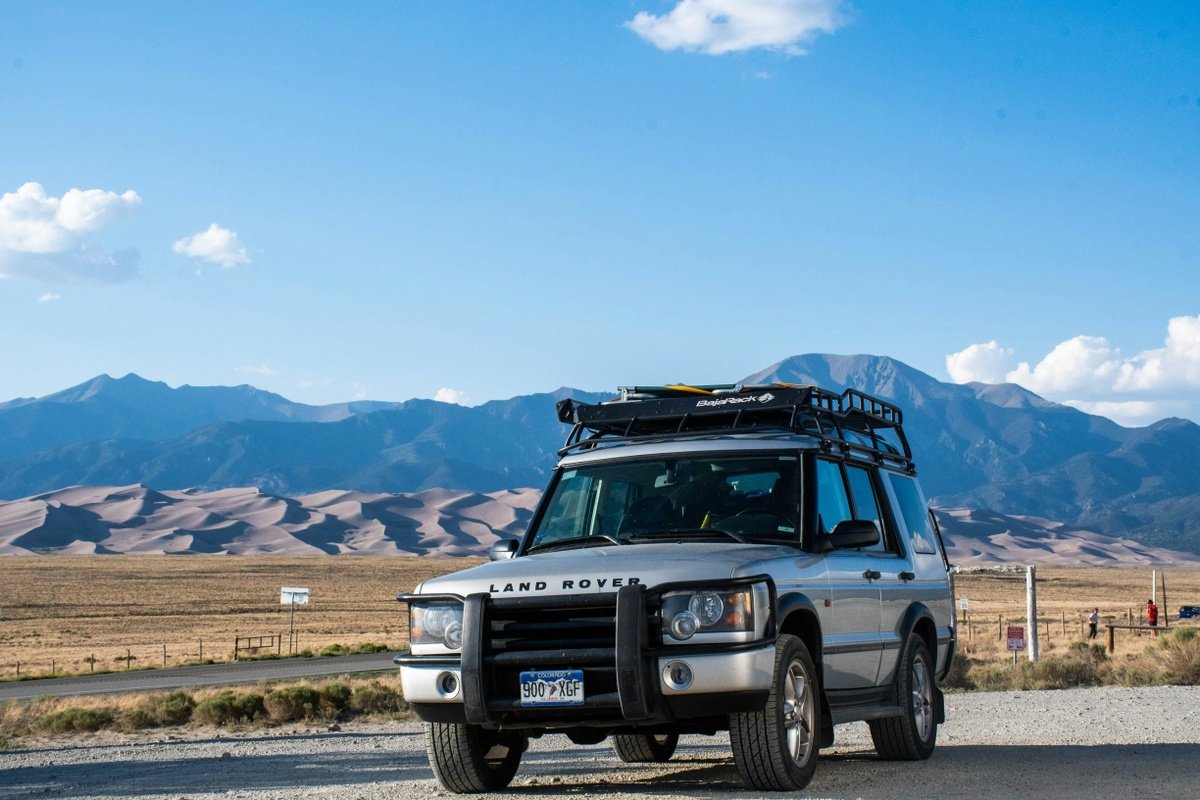
- A Class A motorhome, camper van or Class C is driven on its own, so it is typically written as its own RV policy with its own liability coverage.
- Your auto policy on the family SUV generally does not extend to it.
- Physical damage, contents and campsite liability are typically added to the same RV policy.
- Carriers commonly ask about full-time use, a tow-behind car and rental use.
Towables (travel trailers, fifth wheels, toy haulers, pop-ups)
- Liability while hitched often comes from the tow vehicle’s auto policy, depending on the carrier.
- The trailer’s value, contents and parked liability need separate towable RV insurance.
- A fifth wheel or toy hauler often carries more gear, so look closely at contents coverage when you compare options.
- Long off-season storage raises questions about hail, theft and weather damage. Our post on seasonal car insurance advice for summer road trips and winter storage covers those considerations.
Towable owners face a wider gap because they often assume the truck’s policy “covers the trailer.”
What Should Colorado RV Owners Check Before Towing a Trailer?
Confirm in writing what your auto policy covers while towing, then arrange separate coverage for the trailer. This checklist helps close the gap.
- Check your auto declarations page for language about trailers, towing or attached vehicles.
- Ask your agent whether your trailer type and size are included for liability while hitched.
- Confirm whether collision coverage on your truck extends to the trailer. Often it does not, and it varies by carrier.
- Decide how to protect the trailer against hail, theft and fire, especially if it sits outside or in a storage lot.
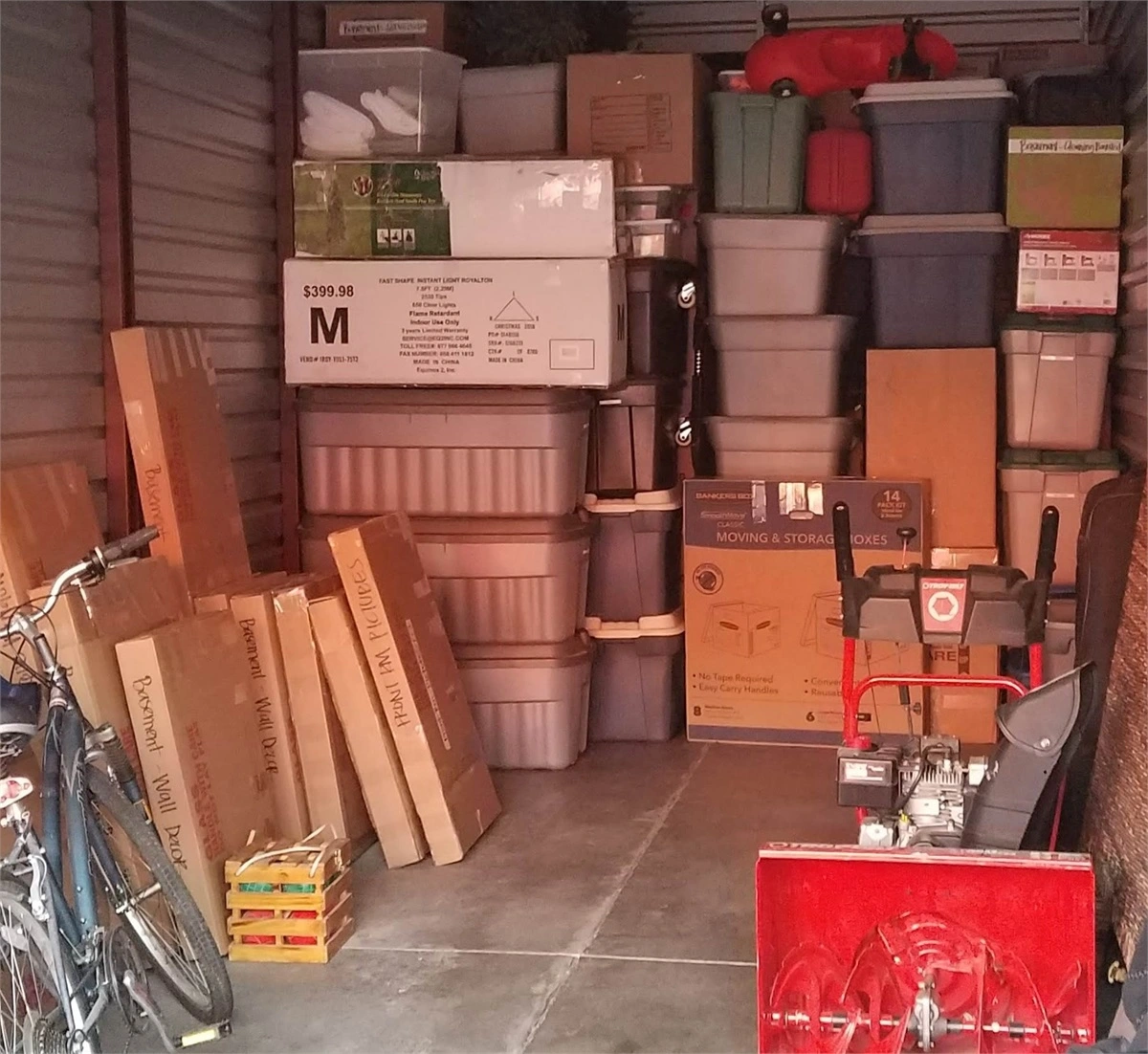
- List what you keep inside the trailer and ask whether those contents are covered anywhere. See whether your storage unit stuff is covered if your trailer sits in a storage facility off-season.
- Ask about campsite liability once the trailer is unhitched.
- Check your lender’s coverage requirements if the trailer is financed.
- Review registration and titling with the Colorado Division of Motor Vehicles, and confirm insurance requirements with the state and with ALINK. Utah owners should check with Utah’s state agencies.
- Consider whether an umbrella policy belongs on top of your auto, home and RV coverage.
How ALINK fits coverage to your RV type
ALINK has been an independent insurance agency since 1959. Our advisors compare multiple carriers and match coverage to whether you tow or drive, how you store your RV, and how far you travel.
Because we also handle auto insurance, home and umbrella coverage, we can review your RV policy alongside the rest of your coverage. Our team knows Front Range conditions: spring hail, steep grades over Monument Hill, and long off-seasons when trailers sit parked.
Whether you already own a fifth wheel or are still choosing between a Class A and a travel trailer, ALINK’s local advisors in Colorado Springs and Parker, plus our Utah offices in Saratoga Springs and Eagle Mountain, can help you understand where your auto policy stops. Get a free quote on our RV and motorhome insurance page, or call 877.643.6148, and we’ll compare multiple companies for you. ALINK Insurance, Your Link to Security.
Frequently Asked Questions
Is it better to have comprehensive or collision?
Neither is better on its own, because they cover different risks. Collision generally applies to crashes, such as a jackknife while towing, while comprehensive generally applies to non-crash losses like hail, theft and fire, which matter for a trailer that sits parked. Many owners weigh both, and a lender may have requirements if the trailer is financed.
Does insurance cover camper water damage?
It depends on the cause and your RV policy wording. Sudden events, such as a storm or a pipe that bursts, may be covered under comprehensive. Damage from gradual leaks, worn roof seals or mold is often excluded as a maintenance issue, so inspect seals regularly and winterize before storage.