A certificate of insurance can win you the job, but it rarely shows whether your business is truly protected. Contractor insurance in Colorado typically starts with general liability, then adds workers’ compensation, commercial auto, tools and equipment coverage, completed operations protection, and an umbrella. ALINK’s independent advisors help Front Range trades build construction and contractor insurance plans that fit how the work actually gets done.
Why Do Colorado Contractors Face Different Insurance Risks Than Other Small Businesses?
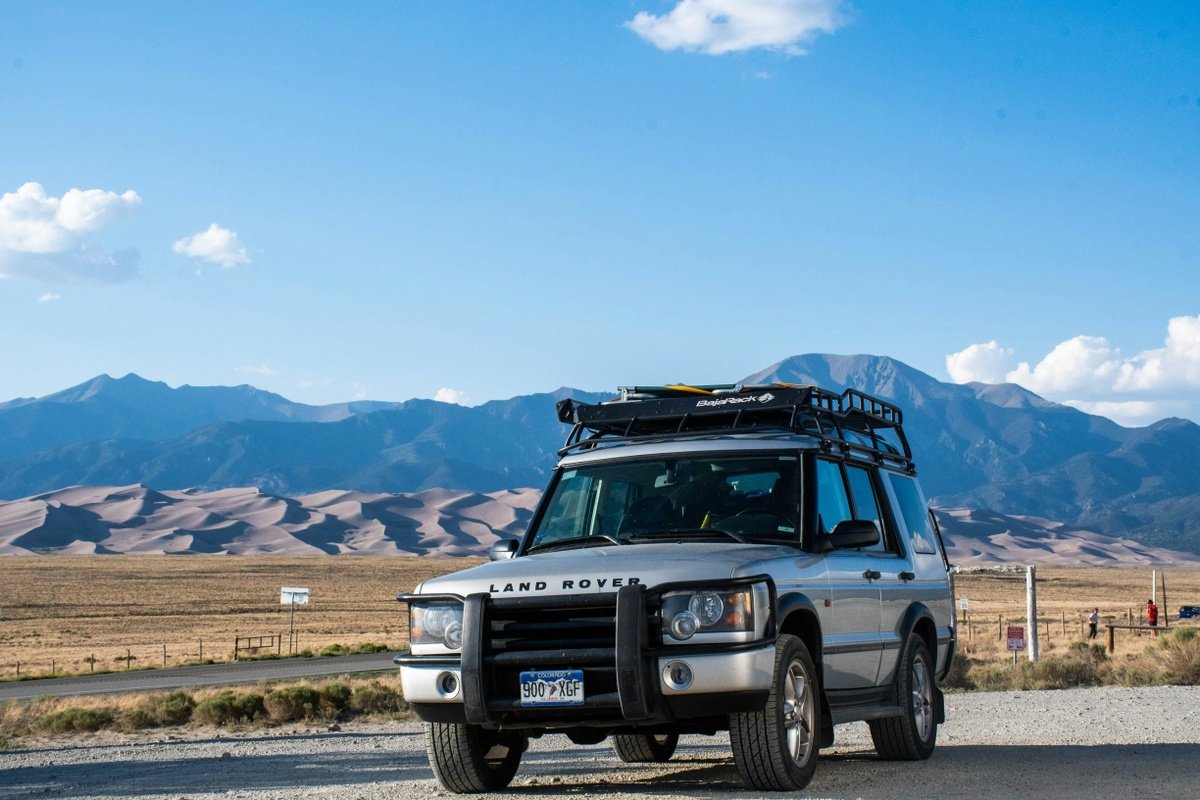
Colorado contractors carry a distinct mix of risk. They work on other people’s property, manage crews, drive loaded work vehicles, and move expensive tools between the shop and the job site, often all in the same day. Much of the generic small business insurance Colorado Springs trades pick up off the shelf is built around a fixed location, so gaps are common for trade businesses.
Think about a typical week for a roofer, electrician, plumber, or remodeler along the Front Range. Monday might be a basement finish in Colorado Springs, Tuesday a service call in Monument, and Wednesday a punch list on a new build in Castle Rock or Aurora. Every stop brings a different client, a different property, and a different set of things that can go wrong.
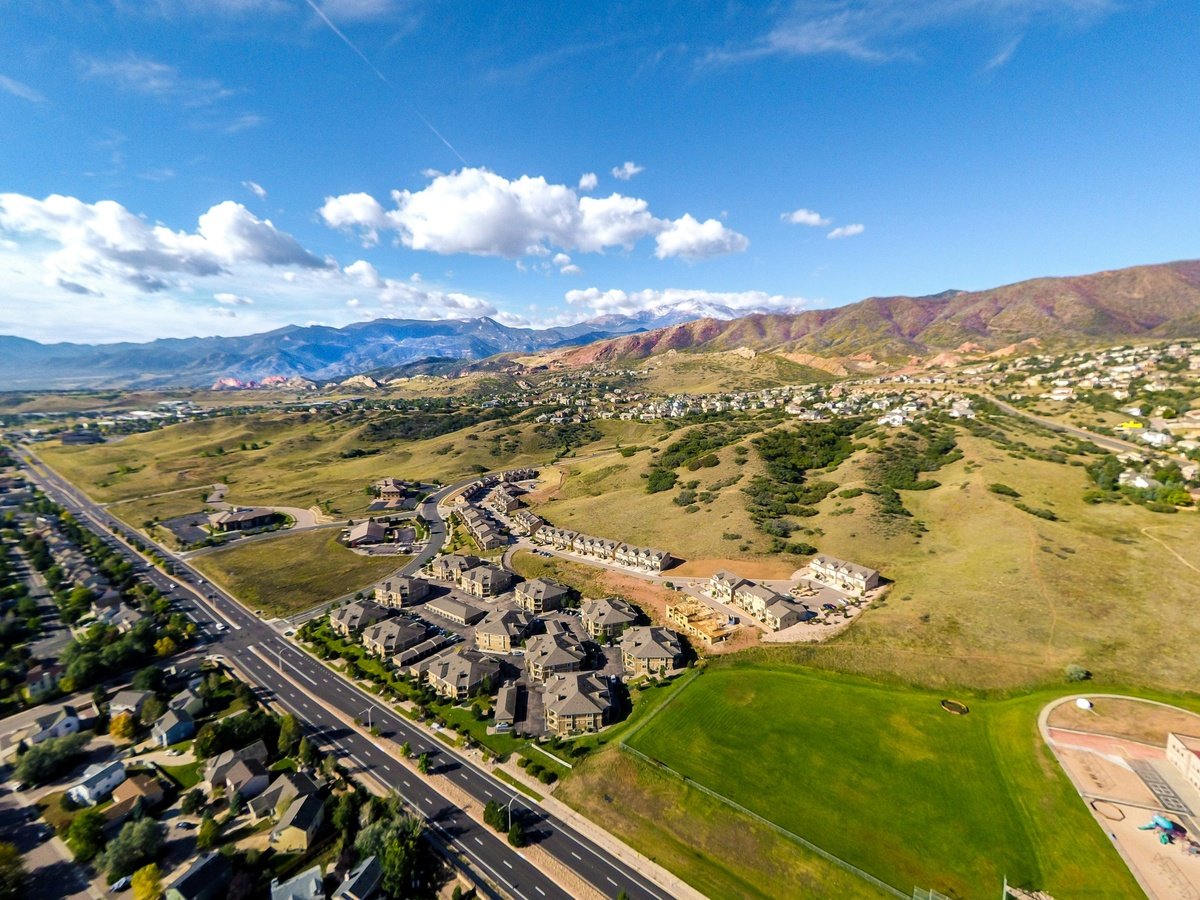
Colorado adds its own wrinkles. Hail and wind are common along the Front Range from spring into summer, snow can arrive early or late, and your trucks spend a lot of time on busy stretches of I-25. Ongoing development in Parker and Castle Rock keeps new construction active, while older Colorado Springs neighborhoods keep remodelers and service trades busy.
Here’s a common mistake to avoid: buying only what a contract requires. Contract minimums mainly protect the person hiring you. Your own crew, vehicles, tools, and finished work need their own protection.
ALINK has helped Colorado families and businesses with these questions since 1959, from our offices in Colorado Springs and Parker. We live and work here too. The sections below walk through each piece of a complete contractor coverage map.
What Does Contractor General Liability Cover in Colorado?
Contractor general liability typically helps pay for injuries to other people, damage to other people’s property, and certain personal and advertising injury claims tied to your business. It’s the foundation of most contractor plans, but it was never designed to cover everything a trade business faces.
Depending on the policy, the contractor general liability Colorado trades carry typically addresses:
- Third-party bodily injury: for example, a homeowner trips over materials your crew left in a hallway.
- Third-party property damage: for example, a ladder slips and cracks a client’s window.
- Personal and advertising injury: claims such as libel, slander, or using someone else’s image or wording in your marketing.
- Legal defense: many policies help pay defense costs for covered claims, even ones without merit.
[IMAGE: A clipboard with a contractor general liability certificate of insurance next to a hard hat and work gloves on a Colorado construction site | alt: contractor general liability Colorado certificate of insurance on job site]
Where general liability usually stops
General liability is built for claims from people outside your business. It typically does not cover:
- Injuries to your own employees (workers’ compensation)
- Accidents involving your work vehicles (commercial auto)
- Theft or damage to your own tools and equipment (inland marine)
- In many cases, the cost to redo your own faulty workmanship
- Errors in design or professional advice (professional liability)
A quick self-check on certificates
Certificates of insurance flow both ways. You hand them to clients, and you should collect them from every subcontractor you hire. Many certificates in the construction industry use the standard ACORD 25 form, which is a summary snapshot of coverage; it doesn’t change the policy itself.
- Keep a current certificate on file for every sub before they start work.
- Track expiration dates and request updated certificates before they lapse.
- Read what clients ask for, such as additional insured status (typically added by endorsement), and confirm your policy can provide it before you sign.
Do Colorado Contractors Need Workers’ Compensation Insurance?
In general, Colorado expects businesses with employees to carry workers’ compensation, and trades businesses face extra questions around subcontractors and worker classification. Because the rules include specific details and exceptions, confirm your obligations with the Colorado Division of Workers’ Compensation.
Workers’ comp typically helps pay for medical care and lost wages when an employee is hurt on the job. Most policies also include employer’s liability, which can help if an injury claim turns into a lawsuit against the business. With ladders, power tools, heavy lifting, and icy winter job sites, this coverage is a core piece of any trade plan once you have a crew.
The subcontractor question
Here is where contractor workers comp Colorado questions get tricky. Imagine you hire a sub for a framing job in Parker, and one of their workers is injured. If that sub didn’t carry their own coverage, the claim may come back to your business, depending on the circumstances and state rules. That’s one more reason to collect and track certificates.
The classification question
Whether someone is an employee or an independent contractor is a legal question, not just a paperwork choice. Getting it wrong can create problems with coverage, taxes, and compliance, so talk with an attorney or CPA about classification. Once that’s settled, your ALINK advisor can help make sure your policy reflects how your crew is actually structured.
For more detail, see our workers’ compensation insurance page.
Can You Use Personal Auto Insurance for a Work Truck in Colorado?
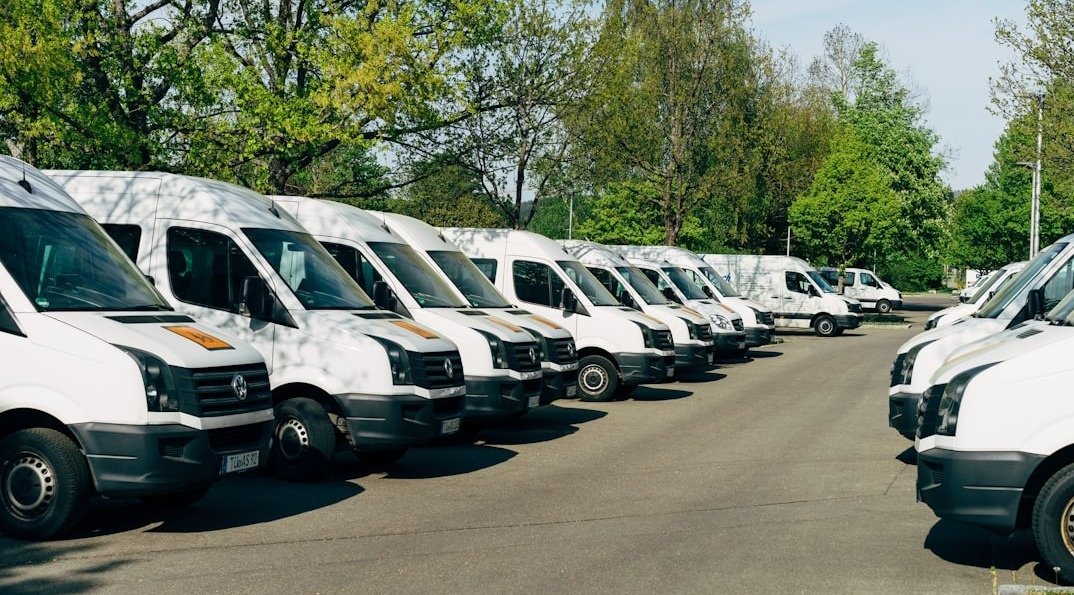
For many contractors, a personal auto policy isn’t a reliable fit for a work truck or van. Personal policies may restrict or exclude business use, especially when a vehicle is titled to the business, hauls equipment or trailers, or carries employees between job sites. Commercial auto is built for those situations.
Signs you likely need commercial auto instead of personal coverage:
- The truck, van, or trailer is owned by or titled to your business
- Employees drive the vehicle or ride along to job sites
- You regularly haul tools, materials, or equipment
- You pull a trailer loaded with gear or machinery
Hired and non-owned auto
Hired and non-owned auto coverage is easy to overlook. Hired auto can help when your business rents or borrows a vehicle. Non-owned auto can help when an employee drives their own car on company business, like a run to a supply house in Aurora. In that case, the employee’s personal policy typically responds first, but your business can still be pulled into the claim.
Imagine an electrician heading north on I-25 from Colorado Springs toward Castle Rock during a spring snow, trailer in tow. After an accident, the last thing you want is a question about whether your policy covers business use. Clear commercial coverage helps remove that uncertainty.
Our article on keeping your business auto coverage up to date goes deeper. As you grow from one truck to several, revisit this coverage each time you add a vehicle or driver.
What Is Inland Marine Insurance for Contractors?
Inland marine insurance for contractors covers property that moves, such as tools, equipment, and materials traveling between your shop, your truck, and the job site. The name comes from the shipping industry’s history of insuring goods in transit, but today it’s the standard way to protect a contractor’s mobile gear.
Many contractors discover this gap only after a loss. Imagine a plumber in Monument returns to the truck after lunch and finds the toolbox gone. General liability typically won’t respond, because it covers damage to others, not your own property. A commercial property policy may focus on a listed location, and if you run the business from home, a homeowners policy often limits coverage for business property.
Tools and equipment insurance Colorado contractors buy is typically written in one of two ways, depending on the carrier:
- Scheduled coverage: higher-value items like generators, laser levels, or skid steers are listed individually.
- Blanket coverage: smaller tools are covered as a group, usually subject to a per-item limit set by the policy.
Build a tool inventory before you need it
A current inventory makes quoting and claims smoother:
- Photograph each major tool and piece of equipment, including serial numbers.
- Save receipts or invoices digitally.
- Update the list whenever you buy, sell, or replace equipment.
- Store a copy off the truck and outside the shop, such as in cloud storage.
- Share major purchases with your ALINK advisor so coverage keeps pace.
Builder’s risk for new construction
If you build new homes or additions, builder’s risk may belong in your plan. It generally covers the structure and materials during construction for risks like fire, wind, or theft, depending on the policy. If you’re comparing builder insurance Parker Colorado options, or building in Castle Rock or anywhere new construction is active, the contract usually spells out whether the owner or builder buys it.
[IMAGE: A contractor’s open toolbox in the bed of a work truck parked at a Colorado Springs job site, with tools and equipment visible | alt: tools and equipment insurance Colorado contractor work truck tool storage]
What Is Completed Operations Coverage, and When Do Contractors Need Professional Liability?
Completed operations coverage for contractors addresses claims that arise after a job is finished and the client has moved in or opened for business. Professional liability is separate coverage that matters when you provide design, consulting, or design-build services, because general liability typically excludes professional errors.
Completed operations
For example, imagine you build a deck for a family in Colorado Springs. The job wraps up and the invoice is paid. Months later, a railing gives way during a backyard gathering and a guest is hurt. Even though the project is long finished, the claim ties back to your work.
Many contractor general liability policies include completed operations protection, often with its own aggregate limit, meaning the most the policy pays in total for that type of claim during the policy period. Details vary, so ask:
- Does my policy include completed operations, and how is it limited?
- Are any types of work excluded, such as certain residential projects?
- What happens to coverage for past jobs if I switch carriers, retire, or close the business?
Professional liability
If you draw plans, make design recommendations, manage projects for clients, or offer design-build services, you’re selling advice as well as labor. Imagine a design-build remodeler in Castle Rock whose layout creates a code issue that must be corrected later. Professional liability, sometimes called errors and omissions, is meant for that kind of claim. General liability typically won’t respond, because no one was hurt and nothing was accidentally damaged. That’s why any review of contractor insurance Castle Rock CO design-build firms carry should include a professional liability conversation.
How Does a Commercial Umbrella Policy Protect Contractors?
A commercial umbrella policy adds an extra layer of liability protection on top of your general liability, commercial auto, and employer’s liability coverage. If a covered claim exceeds those underlying limits, the umbrella can help pay the difference, depending on the policy terms.
For trades working around heavy equipment, busy roads, and occupied homes, a serious claim may outgrow primary limits. Picture a loaded work truck involved in a multi-vehicle accident on I-25, or a guest seriously injured on a remodel where the family kept living in the house. Claims like these can involve medical bills, lost income, and legal defense costs that add up quickly.
An umbrella also helps when commercial clients, property managers, or general contractors require higher liability limits than your primary policies carry alone. Rather than raising every underlying limit separately, many contractors find an umbrella a more practical way to meet those contract requirements.
Before you buy, ask a few questions. Which of my policies does the umbrella sit over? What minimum underlying limits does the carrier require? Are any exclusions broader than my primary coverage?
As your contracts get bigger, an umbrella can help your protection grow with them. Learn more about commercial umbrella insurance, and remember that a personal umbrella can play a similar role for your home and family vehicles.
How Does an Independent Advisor Build a Contractor Insurance Plan in Colorado?
An independent advisor builds a contractor insurance plan by learning how your trade operates, then comparing coverage from multiple insurance companies to fit each piece together. Instead of accepting one carrier’s package, you get a plan built around your crew, vehicles, tools, and the work you take on.
ALINK is an independent agency, so our advisors aren’t tied to a single carrier. Some insurers are a strong fit for certain trades and less interested in others. Comparing multiple companies helps, whether you need trades business insurance Colorado Springs HVAC companies rely on or commercial insurance for contractors Monument CO remodelers count on.
Is a business owner’s policy (BOP) enough?
A business owner’s policy bundles general liability and commercial property, and it can work well for some smaller trades. Eligibility depends on your trade and the carrier, though, and a BOP typically doesn’t include workers’ comp, commercial auto, or professional liability. The U.S. Small Business Administration’s business insurance guide gives a helpful overview of common policy types.
Review your coverage at business milestones
Your insurance needs change as the business grows. Plan a coverage conversation when you:
- Hire your first employee or add to your crew
- Buy a truck, trailer, or major piece of equipment
- Take on larger contracts with new insurance requirements
- Start offering design or design-build services
- Expand into new cities, counties, or states
- Change how you use subcontractors
Licensing and permitting insurance requirements vary by jurisdiction, so confirm them with the licensing or permitting office where you work.
Don’t forget the person behind the business
Contractors are business owners with families. Your home, personal auto, RV, and personal umbrella all connect to the risks you carry at work, and life insurance can help protect your family and support business continuity if something happens to you.
ALINK handles personal and commercial insurance together, so one local team sees the whole picture. If your work crosses state lines, ALINK also serves Utah from Eagle Mountain and Saratoga Springs. That’s what being Your Link to Security means.
When you’re ready to look at the full picture for your trade business, our independent advisors in Colorado Springs and Parker are here to help. Get a quote or call 877.643.6148 to talk with a local advisor who knows the Front Range and will compare multiple insurance companies on your behalf.
Frequently Asked Questions
What insurance does a contractor need in Colorado beyond general liability?
Most Colorado contractors need workers’ compensation once they have employees, commercial auto for work trucks and trailers, and inland marine coverage for tools and equipment that travel between job sites. You should also confirm that your general liability policy includes completed operations protection for claims tied to finished work. If you offer design or design-build services, professional liability fills a gap that general liability typically excludes. A commercial umbrella can add higher limits on top of those policies, and builder’s risk may be needed for new construction projects.
Do Colorado contractors need workers’ compensation if they only use subcontractors?
It depends on how your business is structured and how your subs are classified, so confirm your obligations with the Colorado Division of Workers’ Compensation. If a subcontractor you hire doesn’t carry their own coverage and one of their workers is injured, the claim may come back to your business. Some carriers also review subcontractor payments during a policy audit, which can affect your premium if a sub can’t show proof of insurance. Collecting a current certificate from every sub before work starts and tracking expiration dates is one of the simplest ways to reduce that risk.
Does my personal truck insurance cover me when I’m using it for work?
Not reliably. Personal auto policies may restrict or exclude business use, especially when the truck is titled to your business, carries employees, hauls tools and materials, or pulls a trailer. If any of those apply, commercial auto is usually the better fit because it’s designed for how contractors actually use their vehicles. Review your policy with an advisor before an accident happens so you’re not left wondering whether a claim will be covered.
What is completed operations coverage and do I need it as a contractor?
Completed operations coverage helps with claims that arise after a job is finished, such as an injury caused by a deck railing, stair, or fixture you installed months earlier. Nearly every trade business needs it because your work stays in place long after the invoice is paid. Many contractor general liability policies include it with a separate aggregate limit, but terms and exclusions vary by carrier. Ask your advisor how it’s limited, whether any residential work is excluded, and how past jobs are protected if you change carriers or close the business.
Is a BOP enough for a contracting business in Colorado Springs?
A business owner’s policy can be a good starting point for some smaller trades because it bundles general liability and commercial property. It typically does not include workers’ compensation, commercial auto, or professional liability, which many contractors need. Its property coverage may also be focused on a set location and may not fully protect tools and equipment on your truck or at job sites. Eligibility depends on your trade and the carrier, so most Colorado Springs contractors use a BOP as one piece of a larger plan rather than the whole plan.
How do I find commercial insurance that covers all my tools and equipment?
Start by asking about inland marine coverage, which is built for property that moves between your shop, your truck, and the job site. Higher-value items like generators or skid steers are often listed individually, while smaller hand tools may be covered as a group with a per-item limit. Keep a current inventory with photos, serial numbers, and receipts so your coverage matches what you own and claims go more smoothly. An independent agency like ALINK can compare multiple carriers to find one that fits your trade and your equipment.
Do I need builder’s risk insurance for a new build in Parker or Castle Rock?
If you’re building a new home or addition, builder’s risk is often worth including, since it generally covers the structure and materials during construction for risks like fire, wind, or theft, depending on the policy. Front Range hail and wind can damage a project before it’s finished, and materials sitting on an open site can be a target for theft. Your contract usually spells out whether the property owner or the builder is responsible for buying it. Review the contract and talk with your advisor before the project starts so there’s no confusion about who carries the coverage.